Who Wants To Be Speaker of the House?
TL;DR
- Republican candidates compete for the Speaker of the House position amid internal party divisions and strategic considerations
- Rep. Claudia Tenney warns that Matt Gaetz could leverage his vote to hold the next Speaker hostage during negotiations
- Ronna McDaniel emphasizes the political risks of internal GOP conflicts, stating the party cannot afford divisive battles and still win elections
- Kevin McCarthy claims Nancy Pelosi privately pledged to support his candidacy despite public opposition and partisan differences
- Joe Biden discusses strategies for confronting conservative family members about political disagreements and policy disagreements
- Analysis examines how incentive structures within Congress influence Speaker selection and the balance of power in legislative negotiations
Key Moments
Episode Recap
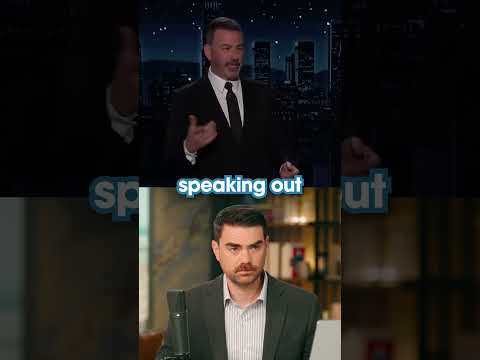
This episode of The Ben Shapiro Show examines the political drama surrounding the Republican race for Speaker of the House. The discussion begins with an analysis of incentive structures in Congress and how they shape speaker selection dynamics. Republican contestants are throwing their hats into the ring for the position, but significant questions remain about whether the speaker role will carry meaningful power or influence in shaping the legislative agenda. Rep. Claudia Tenney provides insider perspective on the negotiations, warning that Matt Gaetz could use his vote as leverage to hold the next Speaker hostage during the selection process. This reflects deeper tensions within the Republican caucus between establishment figures and more hardline conservative members who have gained increased influence in recent years. Ronna McDaniel, the Republican National Committee chair, emphasizes the political risks of the party engaging in prolonged internal conflict. She argues that the GOP cannot afford to stage divisive battles among its own members and still maintain electoral competitiveness against Democrats. This warning underscores the electoral stakes of the Speaker selection and the party's broader strategic concerns heading into the next election cycle. The episode also covers Kevin McCarthy's controversial claims that Nancy Pelosi, the Democratic former Speaker, privately pledged to support his candidacy despite their public partisan opposition. McCarthy's account raises questions about backroom political dealings and the possibility of bipartisan coordination on speaker selection. The discussion then shifts to an interview segment with President Joe Biden, who addresses the challenge of confronting conservative family members about political disagreements. Biden's perspective on these interpersonal political conflicts offers a more personal take on partisan divides that extend beyond Washington. The episode examines Biden's economic policies and their effects, as well as his administration's border and immigration policies. A brief segment covers content production trends, noting that Disney and Netflix produced the most LGBTQ+ content in 2022, reflecting broader cultural trends in media and entertainment. The episode concludes with sections highlighting things Shapiro likes and dislikes, offering his editorial perspective on the week's developments. Throughout the episode, the analysis emphasizes how structural incentives shape political behavior and decision-making in Congress, demonstrating how individual actors respond to the institutional constraints and opportunities they face.
Notable Quotes
“We cannot do this and win as a party”
“Gaetz will hold the next Speaker hostage”
“Pelosi pledged to back me privately”
“The incentive structures in Congress shape how politicians behave”
“It matters how you confront family members about political disagreements”
Products Mentioned
technology
ExpressVPN
Virtual private network service offering encrypted internet browsing and privacy protection.
Visit Site →
business
Good Ranchers
Premium beef delivery service offering ground beef and other high-quality meat products.
Visit Site →
business
Bambee
HR and employment compliance platform for small business management.
Visit Site →
business
PolicyGenius
Life insurance comparison and quote service helping consumers find affordable coverage.
Visit Site →
business
ZipRecruiter
Online job matching and recruitment platform connecting employers with qualified candidates.
Visit Site →
Full Transcript▼