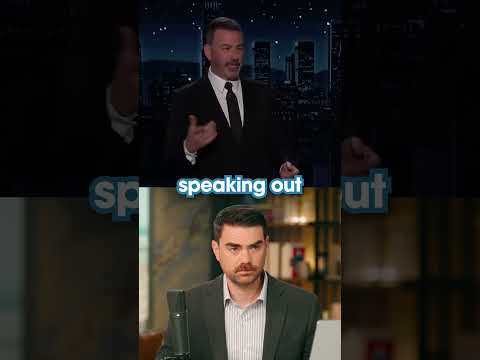
President Confronts Media Over "Disgusting" Conspiracies
TL;DR
- Ben Shapiro analyzes a recent presidential confrontation with media outlets over alleged conspiracy theories
- Discussion of how mainstream media handles controversial narratives and fact-checking responsibilities
- Examination of the relationship between political leaders and press accountability
- Analysis of what constitutes 'disgusting' conspiracy coverage versus legitimate investigative journalism
- Exploration of how media bias affects public trust in institutions
- Conservative perspective on media gatekeeping and information control
Key Moments
Episode Recap
In this solo episode, Ben Shapiro provides commentary on a recent confrontation between a sitting president and members of the media establishment over what the president characterized as disgusting conspiracy theories. Shapiro breaks down the tension between executive authority and press freedom, examining the specific claims that prompted the presidential rebuke. The episode delves into how different media outlets have covered controversial narratives, with Shapiro offering his analysis of whether the coverage constitutes legitimate investigative journalism or irresponsible speculation. A central theme involves the responsibility of media organizations to verify claims before publication and the role of fact-checking in maintaining journalistic integrity. Shapiro discusses how accusations of peddling conspiracies have become increasingly common in political discourse, and whether such accusations are justified or represent an attempt to silence critical reporting. The episode explores the broader question of media bias and how partisan outlets on both sides of the political spectrum approach controversial stories differently. Shapiro examines the president's decision to directly confront journalists, considering whether such confrontations are effective or counterproductive. The discussion includes analysis of how public trust in media institutions has eroded and what role inflammatory coverage of conspiracies has played in that erosion. Shapiro offers his perspective on the balance between protecting presidential authority and maintaining press freedom as enshrined in the Constitution. The episode considers specific examples of media coverage that the president found objectionable and evaluates the merits of those criticisms. Shapiro also addresses how conspiracy theories spread through social media and alternative news sources, complicating the traditional media landscape. The discussion encompasses the practical implications for journalists, media organizations, and the public when accusations of conspiracy peddling become weaponized in political disputes. Throughout the episode, Shapiro maintains his characteristic analytical approach, attempting to separate legitimate concerns about media accuracy from broader partisan attacks on press freedom.
Notable Quotes
“The media has a responsibility to verify claims before they go to print or air”
“When conspiracy accusations become routine political rhetoric, actual conspiracies lose their meaning”
“This confrontation reflects deeper questions about the balance between executive authority and press freedom”
“Trust in institutions crumbles when media outlets abandon their gatekeeping responsibilities”
“We must distinguish between legitimate investigative journalism and irresponsible speculation”
Products Mentioned
Books
Lions and Scavengers: The True Story of America (and Her Critics)
Ben Shapiro's book examining America's founding principles and contemporary criticisms of the nation.
View on Amazon →
Media
Daily Wire+
Subscription service providing ad-free access to Ben Shapiro Show episodes and other Daily Wire content.
Visit Site →
Technology
Daily Wire App
Free mobile application for streaming Daily Wire content on iOS, Android, Roku, Apple TV, and Samsung devices.
View on Amazon →


