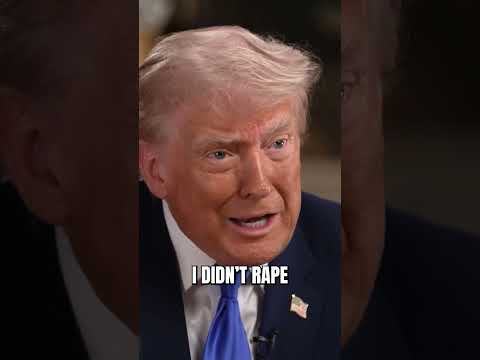
What Do We Do About CHINA?
TL;DR
- China employs a strategy of beggar-thy-neighbor economics to gain competitive advantage globally
- The United States must develop comprehensive policy responses to counter Chinese economic tactics
- President Trump implements agricultural subsidies as part of his economic strategy
- Trade policies and economic competition between the US and China shape global markets
- Strategic economic decisions have ripple effects across American industries and workers
- Political considerations influence responses to foreign economic threats and competition
Key Moments
Episode Recap
This episode examines China's economic strategy and what the United States can do to respond effectively. China has adopted what is commonly referred to as a beggar-thy-neighbor approach to economics, which involves policies designed to benefit China's economy while deliberately harming the economic interests of other nations, particularly the United States. This strategy includes trade practices, intellectual property theft, currency manipulation, and subsidized industries that undercut American competitors. The discussion explores the implications of these tactics on American workers, businesses, and economic security. The episode also addresses President Trump's use of agricultural subsidies as a countermeasure to Chinese economic strategies. Agricultural subsidies represent a significant policy tool for supporting American farmers and rural communities while responding to trade pressures from China. The intersection of these economic policies with electoral politics receives attention, including references to political races such as Jasmine Crockett's potential run for Texas Senate. The episode balances economic analysis with practical political considerations, examining how trade policy decisions affect different constituencies and regions. The conversation reflects on the broader challenge of how democracies can respond to coordinated state-sponsored economic competition without resorting to unsustainable measures. The strategic dimensions of US-China competition extend beyond simple tariff debates to questions about industrial policy, supply chain security, and long-term economic competitiveness. The episode suggests that addressing Chinese economic aggression requires multifaceted approaches rather than single policy solutions. Agricultural policy becomes a case study for how economic strategy intersects with political necessity and regional interests. The discussion acknowledges the complexity of retaliatory measures and their potential side effects on American consumers and businesses. Throughout the episode, the focus remains on practical responses that balance economic principles with geopolitical realities and democratic accountability.
Notable Quotes
“China pursues a strategy of strategically beggaring thy neighbor to gain advantage”
“We must develop comprehensive responses to counter Chinese economic tactics”
“Agricultural subsidies are a tool for protecting American farmers and workers”
“Trade policy decisions have significant ripple effects across American communities”
“Responding to economic competition requires balancing economic principles with geopolitical reality”
Products Mentioned
Books
Lions and Scavengers: The True Story of America (and Her Critics)
Ben Shapiro's book examining American history, culture, and criticisms of the nation.
View on Amazon →
Media
DailyWire+
Membership service offering exclusive content, shows, and commentary from Daily Wire hosts.
Visit Site →
Technology
Perplexity
AI-powered search and web browser tool for research and information discovery.
Visit Site →
Full Transcript▼