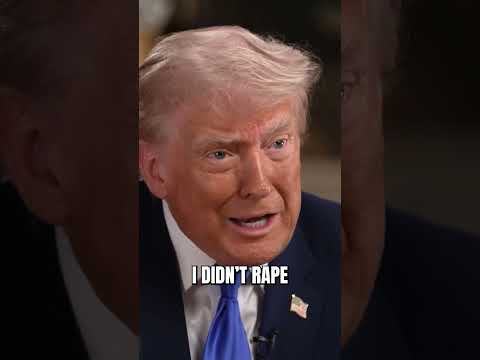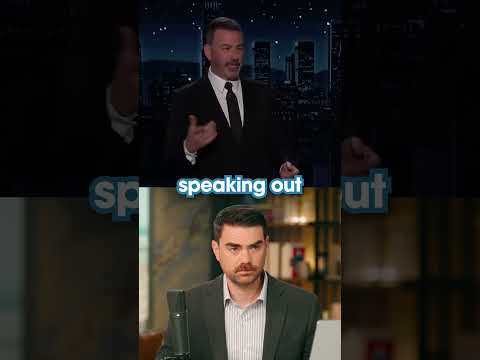
TRUMP SHOT, SURVIVES ASSASSINATION ATTEMPT
TL;DR
- Former President Trump survived an assassination attempt at a rally in Butler, Pennsylvania, responding heroically to the incident
- Secret Service failures and security lapses are under investigation by the House as critical questions remain about how the shooter accessed his position
- The shooter's background and motives are being examined, with emerging details about how the attack was carried out
- Ben Shapiro analyzes the left's heated political rhetoric over years of Trump vilification as a contributing factor to the violence
- Political figures including Obama and Biden released statements responding to the assassination attempt and its implications
- Media coverage reveals a troubling pattern of some on the left attacking Trump even after the shooting, highlighting deep political divisions
Key Moments
Episode Recap
In this special episode, Ben Shapiro covers one of the most significant moments in recent American history: the assassination attempt on former President Donald Trump at a rally in Butler, Pennsylvania. Shapiro begins by examining the immediate events surrounding the shooting, including the now iconic photograph of Trump with his fist raised after the incident, which has become a defining image of his response to the attack. He reviews Trump's subsequent movements, including his departure to New Jersey and notable developments like Elon Musk's endorsement following the incident.
Shapiro then pivots to critical analysis of how this attack occurred in the first place. He examines what is known about the shooter, the timeline of events, and witness accounts from those present at the rally. A major focus of the episode is the apparent failures of the Secret Service, with Shapiro questioning how the shooter was able to access a position from which he could attempt the assassination. He reviews footage and documentation of the incident, ultimately raising the central question: how was this possible given the security measures that should have been in place?
The episode addresses House investigations into the incident, with particular attention to questions about diversity, equity, and inclusion policies within the Secret Service and whether such policies contributed to the security failures. Shapiro analyzes Trump's own statements and reactions to the attempted assassination, contrasting them with responses from other political leaders. He reviews President Biden's delayed statement and former President Obama's response, examining what these statements reveal about the political establishment's handling of the crisis.
A substantial portion of the episode is dedicated to examining the heated political rhetoric that has characterized discourse surrounding Trump over many years. Shapiro argues that years of vilification and inflammatory language from the left created an environment that may have contributed to the violence. He provides examples of extreme rhetoric and discusses how such language can have real-world consequences.
Shapiro also examines media coverage of the assassination attempt, highlighting instances where media figures expressed hatred toward Trump or failed to appropriately condemn the violence. Perhaps most troublingly, he documents cases where figures on the left attacked or criticized Trump even after the shooting occurred, demonstrating what Shapiro sees as a disturbing lack of basic human decency and political unity in the face of violence.
Throughout the episode, Shapiro emphasizes that regardless of political disagreements, an attempted assassination represents a profound attack on American democracy and the rule of law. He calls for accountability regarding the security failures while also urging political leaders across the spectrum to lower the temperature of political discourse. The episode serves as both a news analysis and a broader commentary on the state of American politics and political violence.
Notable Quotes
“A historic moment: an attempted assassination, Trump's heroic response”
“Secret Service failures and more unanswered questions about how this was possible”
“Years of vilification from the left created an environment that may have contributed to this violence”
“Media hatred and inflammatory rhetoric have consequences in the real world”
“Political unity in the face of violence should transcend partisan disagreements”