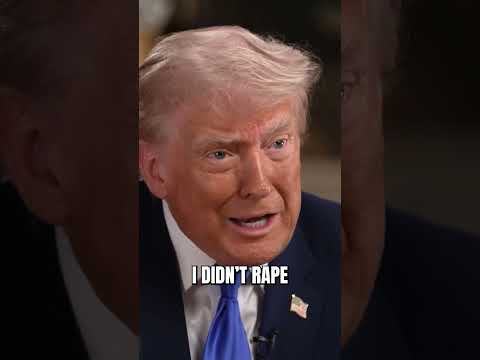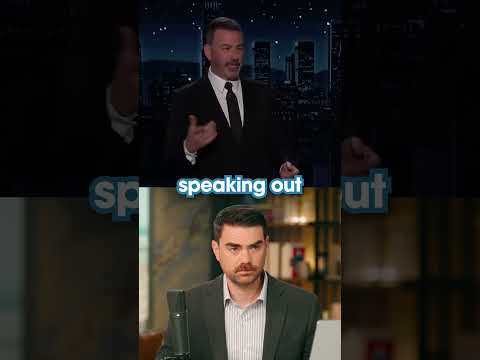
Trump DEPORTS Somali Immigrants
TL;DR
- President Trump made controversial comments about Congresswoman Ilhan Omar and her associates, drawing significant media attention and debate
- The Left continues to pursue allegations against Secretary of Defense Pete Hegseth regarding a supposed war crime that likely did not occur
- Tennessee held a special Congressional election with results that have implications for Republican representation and the current political landscape
- Media outlets amplified Trump's remarks about Omar, generating widespread discussion across political commentators and news networks
- The episode examines how political narratives are constructed and spread by mainstream media outlets with particular editorial perspectives
- Commentary addresses the pattern of opposition attacks on Trump administration nominees and their verification in actual evidence
Key Moments
Episode Recap
This episode examines several significant political developments in the current news cycle. The primary focus involves President Trump's comments characterizing Congresswoman Ilhan Omar and her associates as garbage, which ignited substantial media controversy. The episode reviews how different news outlets covered these remarks, analyzing the political implications and the response from various sides of the political spectrum. Trump's statements generated considerable debate about the appropriate language for political discourse and how media coverage influences public perception of such incidents. The episode explores whether the intensity of media coverage was proportionate to the actual significance of the remarks.
A substantial portion of the episode addresses ongoing attacks against Secretary of Defense Pete Hegseth, focusing specifically on allegations of a supposed war crime. The episode examines the evidence presented by critics and evaluates whether the accusations are supported by credible documentation. The analysis suggests that the claims against Hegseth may be exaggerated or unsubstantiated, reflecting a broader pattern of opposition research and character attacks on Trump administration officials. The episode discusses how allegations gain traction in media despite questionable evidentiary support and how this affects public trust in institutions.
The episode also covers Tennessee's special Congressional election, reviewing the results and their significance for Republican representation and broader political trends. The election results are analyzed in the context of current political dynamics and what they may indicate about voter sentiment in different regions. The special election is used as a case study in understanding how local political races reflect or diverge from national political trends.
Throughout the episode, the commentary emphasizes the role of media in shaping political narratives and how selective coverage can influence public opinion. The episode critiques what the host views as inconsistent or biased reporting on political figures across the spectrum. It examines how mainstream media outlets approach coverage differently based on political affiliation and how this contributes to polarization. The episode also discusses the mechanics of how stories become amplified through social media and cable news, creating feedback loops that may distort the actual importance of events. The overall framework of the episode involves analyzing current events through a lens critical of what the host perceives as left-leaning media bias and inconsistent application of journalistic standards.
Notable Quotes
“The media continues to amplify narratives without proper scrutiny of underlying facts”
“Allegations against administration officials often lack substantive evidentiary support”
“Political attacks have become increasingly disconnected from actual wrongdoing”
“Media coverage reflects selective application of journalistic standards based on political affiliation”
“Special elections reveal important patterns about regional voter sentiment and party strength”
Products Mentioned
Books
Lions and Scavengers: The True Story of America (and Her Critics)
Ben Shapiro's book examining American history and contemporary political criticism.
View on Amazon →
Media
DailyWire+ Membership
Subscription service offering exclusive content, commentary, and shows from The Daily Wire.
Visit Site →
Media
Friendly Fire
New show available on DailyWire+ featuring unmoderated discussion and debate.
Visit Site →
Full Transcript▼