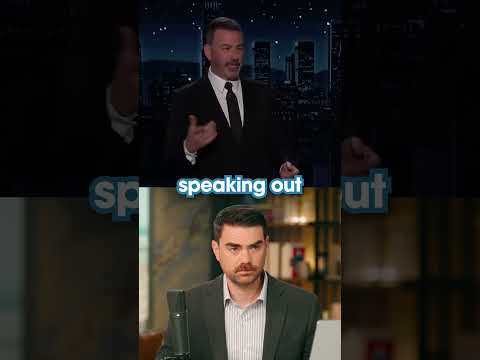
The Race Rape Hoax That Started It All…COLLAPSES
TL;DR
- The Duke lacrosse rape accuser from 2006 finally admits she fabricated the allegations that sparked a major national controversy
- Donald Trump named TIME Magazine's Person of the Year and gives an extensive interview about his vision and accomplishments
- The FBI reveals it deployed 26 confidential human sources on the ground during January 6, 2021 events at the Capitol
- The episode examines how false accusations can devastate lives and communities while exploring the broader implications for justice
- Discussion of media responsibility in covering controversial cases and the importance of due process
- Analysis of how politically charged narratives shape public perception regardless of factual accuracy
Key Moments
Episode Recap
This episode examines three major news stories with significant implications for American institutions and public discourse. The primary focus centers on the Duke lacrosse case from 2006, where the accuser has finally admitted she fabricated the rape allegations that destroyed the reputations of the accused players and generated massive media attention. This case became a watershed moment in discussions about false accusations, media bias, and the dangers of rushing to judgment in high-profile cases. The collapse of these charges demonstrates how even thoroughly discredited claims can leave lasting damage to the lives of those accused and to public trust in institutions.
The episode also covers Donald Trump's selection as TIME Magazine's Person of the Year, noting this recognition and his extensive interview discussing his political vision, accomplishments, and perspective on his role in American politics. This selection itself sparked considerable debate in media circles, reflecting the polarized nature of contemporary political discourse.
Another significant topic involves the revelation that the FBI deployed 26 confidential human sources on the ground during January 6, 2021. This disclosure raises important questions about federal law enforcement operations, undercover operations during civil unrest, and the role of informants in significant political events. The presence of so many federal sources in a crowd raises questions about oversight, prevention versus documentation, and the extent of federal involvement in events of national security concern.
Throughout the episode, broader themes emerge about institutional credibility, the role of media in shaping narratives, and the consequences of false or misleading claims in the public sphere. The Duke case exemplifies how media narratives can take on a life of their own, particularly when they align with preexisting social or political narratives. The case also raises questions about how institutions respond when accused of wrongdoing and how long it takes for truth to emerge from contested circumstances.
The episode appears designed to prompt listeners to think critically about how information is presented, how narratives develop in media, and how different institutions including law enforcement, media, and academia respond to controversial situations. These stories collectively illustrate tensions between institutional accountability, individual rights, and the public's right to accurate information. The discussion emphasizes the importance of due process, careful investigation, and media responsibility in covering sensitive cases that can profoundly affect the lives of those involved.
Notable Quotes
“The collapse of these false allegations demonstrates why due process and careful investigation matter in the justice system”
“Media narratives can take on a life of their own, particularly when they align with existing social narratives”
“The persistence of false claims despite evidence reveals important truths about institutional accountability”
“Federal informants in significant political events raises critical questions about oversight and prevention”
“Understanding how misinformation spreads is essential to protecting individual rights and institutional credibility”
Products Mentioned
Media
DailyWire+
Streaming service offering exclusive content including documentaries and member-exclusive portions of shows
Visit Site →
Media
Am I Racist Documentary
Documentary film by Matt Walsh available on DailyWire+ exploring questions about racism in contemporary America
Visit Site →
Health
Balance of Nature
Nutritional supplement brand offering fruit, vegetable, and fiber supplements
Visit Site →
Full Transcript▼