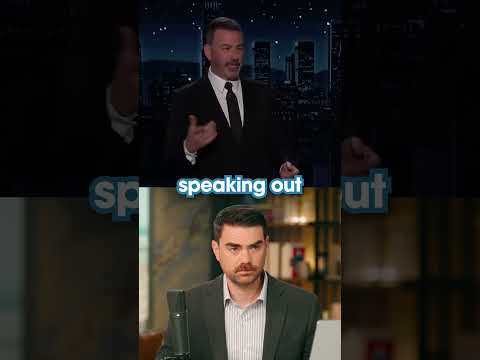
The Face of Absolute Evil
TL;DR
- Ben Shapiro examines the nature of absolute evil and its manifestations in modern society
- Discussion of how evil operates within political and cultural systems
- Analysis of moral relativism versus absolute moral standards
- Examination of historical examples of totalitarianism and their ideological roots
- Discussion of how civilization defends itself against forces of evil
- Exploration of individual responsibility in confronting evil
Key Moments
Episode Recap
In this solo episode titled 'The Face of Absolute Evil,' Ben Shapiro delves into one of philosophy's most challenging questions: what constitutes absolute evil and how do we recognize it in contemporary society? Shapiro begins by establishing that while many modern thinkers reject the concept of absolute evil in favor of moral relativism, history demonstrates that certain acts and ideologies clearly represent profound moral wrongs that transcend cultural or contextual interpretation. He argues that acknowledging absolute evil is essential for maintaining civilizational standards and protecting vulnerable populations from systematic harm. Shapiro explores how totalitarian regimes throughout history, from Nazi Germany to Soviet communism to modern authoritarian states, represent manifestations of absolute evil. These systems, he contends, are united not by accident or circumstance but by their fundamental commitment to crushing individual liberty, suppressing truth, and elevating state power above human dignity. The host examines how ideological evil operates by inverting moral truths, convincing adherents that destruction is creation, that slavery is freedom, and that the elimination of entire groups serves a greater good. He emphasizes that understanding this inversion is crucial for recognizing and resisting similar ideological movements in contemporary politics and culture. Shapiro addresses how societies become vulnerable to absolute evil when they abandon objective moral standards and embrace pure relativism. When everything is subjective and no absolute truths exist, he argues, there is no foundation upon which to stand against atrocity. He discusses the responsibility of individuals and institutions to maintain moral clarity even when doing so is unpopular or culturally unfashionable. The episode covers how education, media, and cultural institutions can either reinforce or undermine civilization's defenses against evil. Shapiro contends that Western civilization, built on Judeo-Christian values and enlightenment principles, has created a relatively stable framework for recognizing and resisting evil. However, this framework requires constant maintenance and defense against those who would dismantle it in pursuit of utopian fantasies that inevitably result in dystopian horror. Throughout the episode, Shapiro returns to the theme that confronting absolute evil requires moral courage. It demands standing firm on unpopular truths, refusing to compromise with those whose explicit goal is civilization's destruction, and maintaining faith in objective moral reality even when surrounded by skeptics. The discussion ultimately presents evil not as an abstract philosophical concept but as a real force that operates through human choices and ideological movements, demanding that free societies remain vigilant in their defense against it.
Notable Quotes
“Absolute evil is not merely a philosophical abstraction, it is a real force that manifests through human choices and ideological movements”
“When we abandon objective moral standards, we surrender our ability to stand against atrocity”
“Evil operates by inverting moral truths, convincing people that destruction is creation and slavery is freedom”
“Western civilization's defenses against evil require constant maintenance and moral courage”
“We cannot compromise with those whose explicit goal is the destruction of free society”