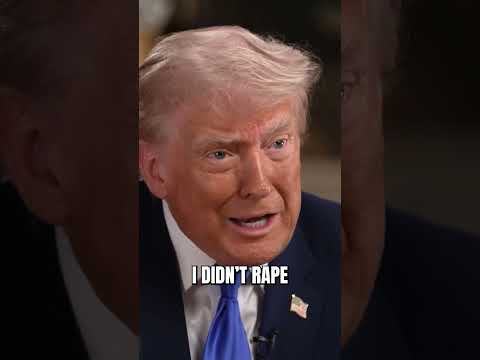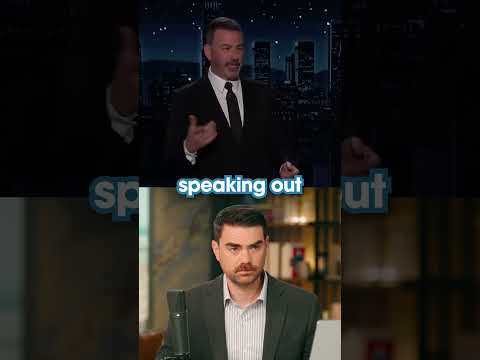
So About Trump's Speech Last Night...
TL;DR
- President Trump delivered a primetime address focused on affordability and economic policy
- Some House Republicans broke party ranks to vote in favor of Obamacare subsidies
- A new polling data suggests AOC could potentially defeat JD Vance in a hypothetical presidential matchup
- Analysis of Trump's messaging strategy on economic issues and their political implications
- Examination of Republican Party divisions on healthcare policy and subsidy support
- Discussion of shifting political dynamics and potential 2024 or 2028 campaign scenarios
Key Moments
Episode Recap
In this episode, Ben Shapiro provides commentary on several significant political developments from President Trump's recent primetime address and the surrounding political landscape. Trump's speech centered on affordability, a core economic issue that continues to resonate with voters across the political spectrum. Shapiro analyzes the content and messaging of Trump's address, examining how the former president framed his economic policy proposals and what they might signal about Republican strategy heading into upcoming elections. The episode highlights growing fissures within the Republican Party, particularly regarding healthcare policy. A notable development was the decision by some House Republicans to vote in favor of continuing Obamacare subsidies, breaking from the traditional Republican position of repealing or significantly curtailing the Affordable Care Act. Shapiro explores the political motivations behind these defections and what they reveal about the internal dynamics of the Republican conference. The episode also discusses polling data suggesting that Alexandria Ocasio-Cortez could potentially defeat Vice President JD Vance in a hypothetical presidential matchup. Shapiro examines these poll numbers in the context of broader political trends, demographic shifts, and the evolving nature of American politics. The discussion considers what such polling might indicate about the relative appeal of different political figures and ideologies among various voter groups. Throughout the episode, Shapiro provides his characteristic analysis of these developments from a conservative perspective, examining the implications for party unity, electoral prospects, and policy direction. The conversation touches on the tension between populist and establishment Republican approaches to economic policy, the role of healthcare in political campaigns, and how shifting demographics might affect future electoral outcomes. The episode captures a moment of significant political flux, with traditional party coalitions appearing to shift and new political alignments potentially forming. Shapiro's analysis emphasizes the strategic implications of these developments for both parties as they navigate an increasingly fragmented political landscape.
Notable Quotes
“Trump's focus on affordability signals the Republican strategy for economic messaging going forward”
“The House Republicans voting for Obamacare subsidies represents a significant break from traditional party orthodoxy”
“This polling data reveals shifting dynamics in how voters perceive different political figures”
“The internal divisions within the Republican Party reflect deeper ideological tensions”
“Economic policy and healthcare will likely remain central battleground issues in future elections”
Products Mentioned
Books
Lions and Scavengers: The True Story of America (and Her Critics)
Ben Shapiro's book examining American history and contemporary criticism of the nation.
View on Amazon →
Media
DailyWire+
Subscription service offering exclusive content, shows, and commentary from The Daily Wire.
Visit Site →
Media
Friendly Fire
No-holds-barred debate and discussion show available on DailyWire+.
Visit Site →
Full Transcript▼