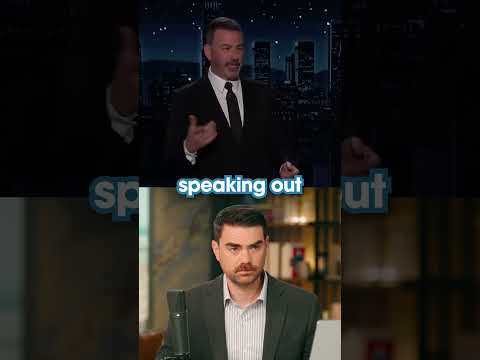
SHAKE-UP At The White House
TL;DR
- President Trump reassigns Mike Waltz from National Security Advisor to UN Ambassador position
- Federal judge blocks Trump administration's deportation of Venezuelan illegal immigrants
- Trump administration continues aggressive crackdown on DEI initiatives across federal government
- Legal challenges emerge to Trump's executive actions on immigration enforcement
- Shift in national security leadership reflects changing priorities in Trump administration
- Judicial oversight creates friction with Trump's immigration and enforcement policies
Key Moments
0:00
Mike Waltz's transition from National Security Advisor to UN Ambassador
12:00
Federal judge blocks deportation of Venezuelan illegal immigrants
24:00
Legal implications and judicial oversight of immigration enforcement
36:00
Trump administration's DEI crackdown across federal government
48:00
Broader implications of policy shifts and executive actions
Episode Recap
This episode addresses significant political developments occurring during the Trump administration's early period. The episode covers three major news stories that signal shifts in policy direction and leadership structure within the executive branch. President Trump's decision to move Mike Waltz from his position as National Security Advisor to the role of UN Ambassador represents an important leadership change in how the administration will approach foreign policy and international relations. This transition suggests a reorganization of priorities within the national security apparatus and raises questions about the administration's future diplomatic strategy. In a separate development, a federal judge issued a ruling that blocks the Trump administration's efforts to deport Venezuelan illegal immigrants. This judicial intervention represents significant legal pushback against the administration's immigration enforcement goals and demonstrates how the courts are serving as a check on executive power. The case illustrates the ongoing tension between the administration's desire to enforce stricter immigration policies and judicial interpretation of immigrant rights and legal protections. Additionally, the episode discusses the Trump administration's intensified efforts to eliminate DEI (Diversity, Equity, and Inclusion) programs and initiatives across the federal government. This crackdown reflects the administration's ideological commitment to dismantling what it views as counterproductive diversity programs, marking a significant shift from the previous administration's priorities. The DEI initiatives have become a contentious political battleground, with supporters arguing they are necessary for equity and critics contending they represent reverse discrimination or ineffective bureaucratic programs. These three stories collectively demonstrate the Trump administration's approach to governance during this period, characterized by executive action on immigration enforcement, strategic shifts in foreign policy leadership, and an aggressive cultural agenda around diversity programs. The episode highlights the complex interplay between executive authority, judicial oversight, and political ideology that characterizes contemporary American governance. The judicial block on deportations shows how the courts continue to play a crucial role in restraining executive power when it comes to immigration matters. These developments point to a broader narrative of significant political realignment and policy shifts that will likely define this period of the Trump presidency.
Notable Quotes
“Leadership changes in national security reflect evolving administration priorities”
“The courts are serving as a critical check on executive power regarding immigration”
“DEI programs have become a central ideological battleground in American politics”
“These policy shifts signal a significant realignment in federal governance”
“The tension between enforcement and judicial restraint continues to define immigration policy”
Products Mentioned
technology
Perplexity AI Answer Engine
An AI-powered search engine that delivers fast, unbiased answers with sources and inline citations.
Visit Site →
media
The Daily Wire
A media platform offering movies, documentaries, and series focused on cultural and political content.
Visit Site →
media
Morning Wire
A hit podcast now available in video format on YouTube covering daily news and politics.
Visit Site →
Full Transcript▼