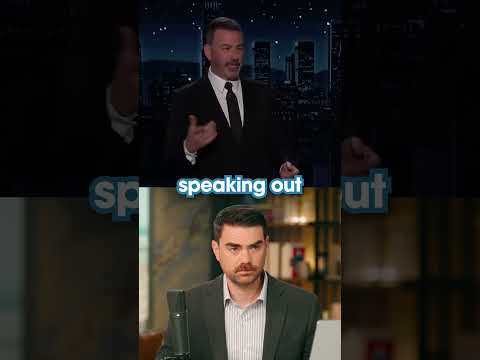
Post-Debate, Trump STILL Has The Advantage
TL;DR
- Analysis of the debate fallout and its political implications for both candidates
- Examination of data showing Trump's continued electoral advantage post-debate
- Investigation into Kamala Harris's policy rollout failures and messaging strategy
- Discussion of how debate performance impacts voter perception and campaign momentum
- Assessment of what the debate means for the remaining campaign cycle
- Exploration of voter response and polling data in the aftermath of the debate
Key Moments
Episode Recap
In this solo episode, the host provides a comprehensive analysis of the political fallout following a significant debate between the major presidential candidates. The episode centers on data-driven examination of how the debate performance has affected the electoral landscape and voter sentiment.
The primary focus is on the continued advantage maintained by Trump despite the debate occurring. Rather than shifting momentum toward his opponent, the host argues that available data suggests Trump's position remains strong heading into the final phases of the campaign. This analysis relies on polling numbers, voter sentiment tracking, and electoral forecasting models that indicate sustained support for the former president.
A substantial portion of the episode investigates what the host characterizes as continued failures in Kamala Harris's policy rollout strategy. This segment examines how the Harris campaign has struggled to effectively communicate its platform to voters and build compelling messaging around policy proposals. The analysis suggests that regardless of debate performance, Harris has faced fundamental challenges in articulating a clear policy vision that resonates with the electorate.
The host delves into the mechanics of how debate performance translates into real political consequences. Rather than focusing solely on who appeared more prepared or articulate during the debate itself, the episode examines whether such performances actually shift voter preferences and election probabilities. This data-centric approach attempts to separate the narrative spin around debates from their measurable impact on electoral outcomes.
Throughout the episode, the analysis maintains focus on what voters actually care about in their decision-making process. The host suggests that while debates generate significant media attention and commentary, the substantive policy differences and campaign organization often prove more consequential for ultimate electoral results.
The episode also contextualizes the debate within the broader campaign narrative. Rather than treating the debate as a standalone event, it is examined as one element within a larger strategic competition between the campaigns. This includes consideration of how each campaign's overall messaging, policy platform, and organizational effectiveness combine with debate performance to shape electoral prospects.
The host emphasizes the importance of looking beyond immediate post-debate reactions and hot takes to understand what the data actually reveals about the political situation. This approach reflects a commitment to empirical analysis rather than emotional or partisan responses to campaign events. By grounding the discussion in available polling data and electoral modeling, the analysis attempts to provide viewers with a clearer picture of the actual state of the race and what it portends for the election outcome.
Notable Quotes
“Trump still has the advantage despite the debate”
“The data tells a different story than the narrative”
“Harris's policy rollout continues to struggle with voter messaging”
“Debate performance matters less than campaign fundamentals”
“Electoral advantage isn't determined by a single event”
Products Mentioned
Media
DailyWire+
Premium membership service providing exclusive content and member-only episodes.
Visit Site →
Media
What is a Woman?
Documentary film examining gender identity and related cultural debates.
View on Amazon →
Media
Am I Racist?
Documentary film exploring questions of racism and contemporary social issues.
Visit Site →