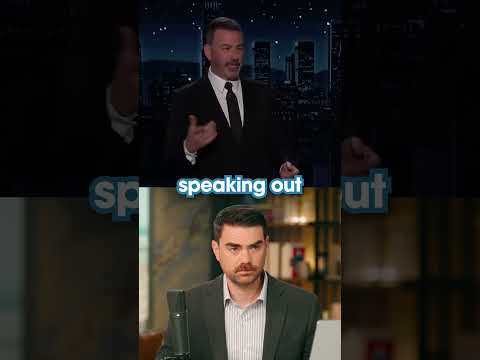
OJ Simpson Killed By Cancer
TL;DR
- OJ Simpson died at 76 from cancer, prompting reflection on his controversial legacy in American culture and the landmark 1995 trial
- The evidence against Simpson was substantial, including DNA evidence and witness testimony, yet the jury returned a not-guilty verdict
- Legal experts and commentators debate whether the acquittal was justified or represented a miscarriage of justice influenced by racial tensions
- Biden's economic policies continue to struggle with stagnant growth and inflation, with administration officials deflecting blame to external factors
- The Biden administration faces criticism for a series of foreign policy failures, including handling of Iran and Middle East tensions
- President Javier Milei of Argentina is interviewed regarding his approach to economic reform and governance
Key Moments
Episode Recap
This episode opens with the death of OJ Simpson at age 76 from cancer, using his passing as a lens to examine his complex role in American history. The discussion centers heavily on the 1995 criminal trial that captivated the nation and deeply divided Americans along racial lines. The episode reviews the substantial evidence against Simpson, including DNA evidence, witness testimony from those at the crime scene, and physical evidence linking him to the murders of Nicole Brown Simpson and Ron Goldman. The presentation of this evidence is contrasted with the jury's not-guilty verdict, sparking debate about whether justice was served or whether other factors influenced the outcome. Various commentators offer differing perspectives on the case. Marc Lamont Hill argues the acquittal was correct and necessary, while Stephen A. Smith maintains Simpson was clearly guilty. The episode examines specific trial moments including the famous glove demonstration, detective Mark Fuhrman's controversial testimony regarding racial bias, and the jury's decision that some later attributed to payback for the Rodney King verdict. The episode also references Simpson's later comments where he provided a hypothetical account of the murders, which many viewed as a confession. The trial's lasting impact on American society and its role in highlighting racial divisions receives significant attention. In the second half, the episode shifts to current political and economic issues. Biden's economic performance is criticized for stagnant growth and persistent inflation. Despite administration claims of economic success, polling data shows Americans are not convinced. The episode features clips of White House Press Secretary Karine Jean-Pierre attempting to defend the administration's economic record while blaming external factors like Russia's war in Ukraine for inflation, a claim that is disputed. Whoopi Goldberg is shown arguing that inflation is not Biden's responsibility. The episode then covers international developments, particularly the tension between Israel and Iran. Discussion focuses on Israel's preparations for potential Iranian attacks and the strategic implications. House Speaker Nancy Pelosi's stance on conditioning aid to Israel is examined. The episode concludes with commentary on the Biden administration's broader foreign policy record, suggesting a pattern of strategic failures. An interview with Argentine President Javier Milei is included, offering an alternative perspective on economic and governance approaches.
Notable Quotes
“The evidence against OJ was substantial and compelling”
“The trial divided America along racial lines in unprecedented ways”
“Some jurors later acknowledged the verdict was payback for Rodney King”
“Americans aren't feeling what Biden is trying to sell about the economy”
“The Biden administration continues its unbroken record of foreign policy defeats”
Products Mentioned
Food
Good Ranchers
Meat delivery service offering premium quality beef with price lock protection
Visit Site →
Financial Services
Policygenius
Life insurance comparison platform helping consumers find affordable coverage options
Visit Site →
Sleep
Helix Sleep
Mattress and bedding company offering personalized sleep solutions
Visit Site →
Health
Envita Health
Healthcare provider offering alternative and integrative treatment options
Visit Site →
Apparel
Tommy John
Men's clothing brand specializing in comfortable everyday apparel
Visit Site →
Full Transcript▼