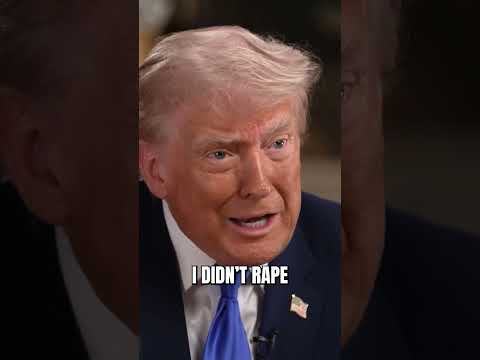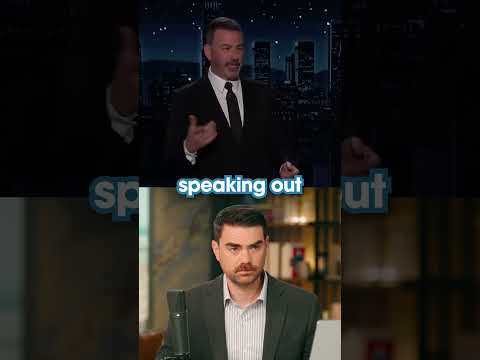
OCTOBER SURPRISE! Media Launch UGLIEST Anti-Trump Smears Yet
TL;DR
- Jeffrey Goldberg of The Atlantic releases new anti-Trump allegations in advance of the election
- Republican early voting numbers exceed media expectations and defy establishment predictions
- Liz Cheney's political positioning is examined as opportunistic rather than principled
- Media outlets coordinate timing of negative stories to maximize electoral impact
- Election coverage analysis reveals bias in mainstream press narrative construction
- Voter momentum and ground game data contradict traditional polling models
Key Moments
Episode Recap
This episode examines the political landscape in the final weeks before a major election, focusing on three interconnected narratives that reveal patterns in media coverage and political strategy. The first major topic centers on Jeffrey Goldberg's publication of new allegations against a political figure in The Atlantic, analyzing the timing and framing of these stories as part of a coordinated effort to influence voter perception. The episode explores how such stories are strategically released during election cycles to maximize their impact on undecided voters and media discourse. The second major segment analyzes early voting data that has surprised political observers and media commentators. Republican turnout numbers have exceeded expectations set by mainstream media outlets, challenging the narrative that had been promoted in recent polling and analysis. This discrepancy between predicted and actual voting patterns raises questions about the accuracy of traditional polling methodologies and the potential bias in how data is presented to the public. The third element examines the political positioning of Liz Cheney, analyzing her recent public statements and endorsements. The episode characterizes her actions as serving establishment interests rather than advancing a consistent political philosophy, using the phrase 'useful idiot' to describe her role in the current political dynamics. Throughout the episode, the overarching theme is the construction of political narratives by media institutions and how these narratives diverge from ground-level political reality as measured by actual voter behavior. The discussion highlights the tension between what mainstream media outlets predict and promote versus what actual early voting data demonstrates. The episode also touches on the role of traditional Republican figures and how they position themselves in contemporary political debates, suggesting that some operate primarily to serve institutional interests rather than principle. The broadcast includes commentary on the effectiveness of these various narratives in shaping public opinion and the extent to which voters are influenced by coordinated media messaging versus their own lived experiences and observations. The episode suggests that there is a significant gap between the stories told by major media outlets and the choices being made by actual voters in real time, with early voting numbers providing concrete evidence of this disconnect.
Notable Quotes
“Right on cue, Jeffrey Goldberg of The Atlantic unleashes another anti-Trump smear”
“Republicans rack up excellent early voting numbers, defying media expectations”
“Liz Cheney plays the useful idiot”
“The gap between what media outlets predict and what voters actually do continues to widen”
“Media coordination in story timing reveals the orchestrated nature of political narratives”
Products Mentioned
Media
Am I Racist? Documentary
Matt Walsh's documentary examining issues of racism and social narratives, available on DailyWire+.
Visit Site →
Technology
ExpressVPN
Virtual private network service offering privacy and security for internet connections.
Visit Site →
Media
Daily Wire+
Subscription streaming service featuring original content, documentaries, and political commentary.
Visit Site →
Retail
Tecovas
Western and cowboy boot retailer offering premium leather footwear.
Visit Site →
Full Transcript▼