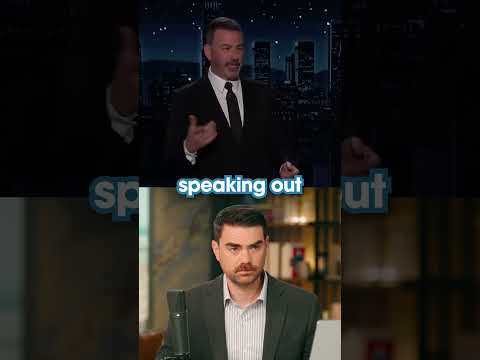
Newsom’s REVENGE Redistricting…PLUS The Sandwich-Throwing Resistance!
TL;DR
- California Governor Newsom announces a surprise referendum to advance Democratic redistricting efforts ahead of the 2026 midterm elections
- A Department of Justice employee throws a sandwich at Border Patrol agents during an anti-ICE protest and subsequently loses his job
- Washington DC begins clearing homeless encampments from the city streets
- Political analysts debate the legitimacy of redistricting tactics and American voter preferences regarding border security approaches
- President Trump prepares for a significant diplomatic meeting with Russian President Vladimir Putin
- Economic updates reveal ongoing inflation concerns affecting American households and policy decisions
Key Moments
Episode Recap
This episode covers several significant political developments dominating the American news cycle. Governor Gavin Newsom makes headlines by announcing a surprise referendum designed to advance Democratic redistricting efforts before the 2026 midterm elections, a move that sparks immediate controversy among political observers. Critics argue this represents an illegitimate power grab, while supporters frame it as necessary Democratic strategy in an evolving political landscape.
The episode highlights a peculiar incident at a Newsom event where Border Patrol agents make arrests outside the venue. During the confrontation, a Department of Justice employee demonstrates his frustration by throwing a sandwich at the agents. The incident captures the heated tensions surrounding immigration policy and federal enforcement actions. The employee subsequently loses his job as a result of the confrontation, raising questions about workplace conduct and protest tactics.
Washington DC authorities take action to clear homeless encampments from the city, reflecting broader concerns about urban quality of life and homelessness policy. This development occurs against the backdrop of ongoing debates about how government should address homelessness in major metropolitan areas.
Political analyst analysis reveals that Americans overwhelmingly prefer Trump's approach to border security and immigration enforcement compared to current Biden-Harris administration policies. This polling data becomes particularly relevant given the redistricting debates and broader political positioning for upcoming elections.
The episode also examines various cultural and political commentary moments, including discussion of Democratic Congressman Hakeem Jeffries' criticism of what he terms illegitimate power grabs, analysis of male cheerleaders in sports culture, and remarks from figures like Ella Emhoff and Jasmine Crockett on contemporary political issues.
International affairs take center stage as President Trump prepares for a vital diplomatic meeting with Russian President Vladimir Putin. This meeting carries significant implications for US foreign policy, ongoing conflicts, and international relations.
Economic news receives attention as inflation updates provide context for American household finances and policy considerations. The inflation discussion connects to broader concerns about economic competitiveness and government spending.
Throughout the episode, various political figures and media personalities contribute commentary on these developments, offering different perspectives on redistricting legitimacy, immigration enforcement, and political strategy. The sandwich-throwing incident serves as a symbolic moment capturing the intensity of debates surrounding immigration policy and federal enforcement in contemporary America.
Notable Quotes
“Newsom's redistricting plan represents a calculated political maneuver to secure Democratic advantages in upcoming elections”
“Americans overwhelmingly prefer Trump's approach to border security and immigration enforcement”
“The sandwich-throwing incident captures the intensity of tensions surrounding immigration policy”
“This is an illegitimate power grab that undermines democratic principles”
“The upcoming Trump-Putin meeting carries vital implications for international relations and US foreign policy”
Products Mentioned
Books
Lions and Scavengers
A new book by Ben Shapiro available for pre-order, releasing September 2nd.
View on Amazon →
technology
Perplexity AI
An AI-powered web browser and search tool with a new Comet browser feature.
Visit Site →
technology
ExpressVPN
A virtual private network service offering 4 months free with this special offer.
Visit Site →