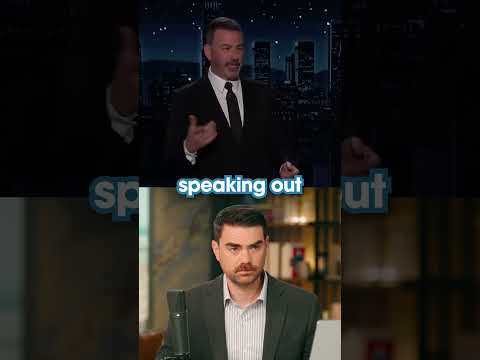
My Debate With Destiny
TL;DR
- Ben Shapiro recaps his debate with liberal streamer Destiny, discussing key arguments and disagreements
- Analysis of Nikki Haley's campaign ending after the New Hampshire primary results
- Examination of the distinction between elite agendas and the interests of ordinary Americans
- Discussion of political polarization and how different ideological perspectives approach current issues
- Reflection on the nature of public discourse and debate in the modern political landscape
- Commentary on media narratives and how political events are framed by different outlets
Key Moments
Episode Recap
In this solo episode, Ben Shapiro provides a detailed recap of his recent debate with Destiny, a popular liberal political commentator and streamer. Shapiro explores the key points of contention that emerged during their exchange, analyzing the fundamental differences in their ideological approaches to contemporary political issues. The episode offers insight into how opposing viewpoints clash in modern political discourse and where common ground may or may not exist between conservative and progressive perspectives.
Shapiro then shifts focus to the 2024 Republican primary, specifically addressing Nikki Haley's campaign ending following the New Hampshire primary. He examines what her exit from the race means for the overall primary contest and discusses the voter priorities that led to this outcome. This segment provides political analysis of the shifting dynamics within the Republican party and what candidates' performance tells us about the electorate's current concerns.
A significant portion of the episode centers on what Shapiro describes as the distinction between elite agendas and the interests of ordinary Americans. He argues that there exists a fundamental gap between what political and cultural elites prioritize and what average citizens care about. This theme touches on issues of representation, accountability, and whether elected officials and institutions adequately reflect the values and concerns of the general population.
Throughout the episode, Shapiro emphasizes how different ideological camps interpret the same events through fundamentally different lenses. He discusses how narratives are constructed differently across the political spectrum and how this shapes public perception of major political developments. The conversation reflects on the state of political polarization and whether substantive debate across ideological lines remains possible in contemporary America.
The episode also touches on broader questions about media responsibility and how political events are covered and framed. Shapiro examines the role that media outlets play in either bridging or widening political divides, and how the framing of news stories influences public understanding of political reality.
By examining these interconnected topics, Shapiro attempts to provide his audience with a framework for understanding current political developments and the underlying philosophical and practical disagreements that drive modern political conflict. The episode serves as both a point-by-point rebuttal to arguments made during the debate and a broader meditation on the state of American politics and public discourse.
Notable Quotes
“The fundamental difference is not about facts but about what values we prioritize”
“There is a massive gap between what the elite want and what average Americans actually care about”
“Political debate has become about tribal loyalty rather than honest intellectual engagement”
“The media frames these issues in ways designed to reinforce existing beliefs rather than challenge them”
“We need to distinguish between disagreement and dishonesty in political discourse”
Products Mentioned
technology
ExpressVPN
A virtual private network service that encrypts internet traffic and masks user location.
Visit Site →
business
My Patriot Supply
Emergency preparedness and long-term food storage supply company.
Visit Site →
business
Tax Network USA
Financial planning and tax optimization service for individuals and businesses.
Visit Site →
health
Balance of Nature
Nutritional supplement company offering whole food-based vitamins and dietary products.
Visit Site →
media
Lady Ballers
Documentary film exploring contemporary cultural and political controversies.
Visit Site →
Full Transcript▼