Mark Cuban Attacks Me For Saying Kamala Isn’t My Momala
TL;DR
- Mark Cuban publicly criticized Ben Shapiro for his 'Momala' comment about Kamala Harris, sparking debate over the appropriateness of the nickname
- A significant surge of Haitian immigrants in Springfield, Ohio raises questions about immigration policy and federal coordination with local communities
- Ben Shapiro analyzes the political implications of the immigration crisis and its impact on the 2024 election narrative
- Kamala Harris and Donald Trump prepare for their upcoming presidential debate with both campaigns strategizing their approaches
- The episode covers the intersection of cultural commentary, immigration policy, and the current political landscape heading into the election
- Ben discusses how corporate figures like Mark Cuban are responding to conservative commentary on Democratic candidates
Key Moments
Episode Recap
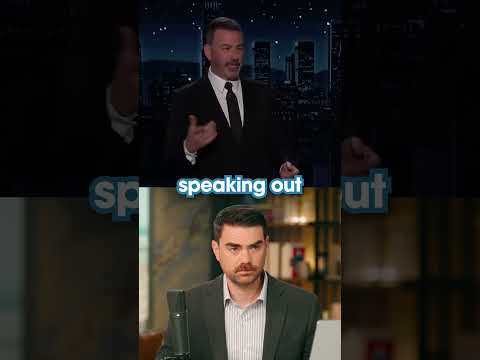
In this solo episode of The Ben Shapiro Show, Ben Shapiro addresses billionaire entrepreneur Mark Cuban's public criticism of his use of the nickname 'Momala' for Vice President Kamala Harris. Shapiro examines Cuban's intervention in the political discourse and what it reveals about how wealthy figures engage in presidential politics. The episode explores the broader context of celebrity and business leader commentary on political campaigns and the use of informal nicknames in political rhetoric. Shapiro provides his perspective on the appropriateness of such commentary and Cuban's motivations for wading into the debate.
A substantial portion of the episode focuses on the immigration crisis unfolding in Springfield, Ohio, where a significant wave of Haitian immigrants has arrived in recent weeks. Shapiro discusses the logistics of how these migrants ended up in this particular Ohio community and raises questions about federal coordination with local municipalities. He examines the strain placed on local resources, schools, and services as the community attempts to accommodate the influx of new residents. The episode explores the policy decisions and potential federal directives that may have contributed to this situation and critiques what Shapiro views as inadequate planning and communication between federal agencies and local officials.
Shapiro analyzes the political dimensions of the immigration crisis, particularly its timing and impact on the 2024 presidential campaign. He discusses how this issue may influence voter perception of Democratic immigration policies and serves as a concrete example of the real-world consequences of federal policy decisions. The episode examines how both campaigns are addressing immigration as a central election issue and what the Springfield situation reveals about border security and interior enforcement priorities.
The episode also previews the upcoming presidential debate between Kamala Harris and Donald Trump. Shapiro discusses the strategic considerations for both campaigns as they prepare for this crucial moment in the campaign. He analyzes what topics are likely to dominate, how each candidate is positioning themselves, and what the debate format and rules mean for the candidates' respective strategies. Shapiro examines the current state of the race, polling dynamics, and how a strong or weak debate performance could shift the trajectory of the campaign.
Throughout the episode, Shapiro connects these disparate stories into a broader narrative about the state of American politics heading into the general election. He examines how cultural commentary, policy crises, and political maneuvering all converge to shape the 2024 campaign. The episode demonstrates Shapiro's approach to analyzing current events through the lens of conservative political commentary while addressing both the immediate political implications and the underlying policy questions.
Notable Quotes
“Mark Cuban wants a hug from Momala Harris and isn't afraid to say so”
“The Springfield situation reveals the consequences of federal immigration policies”
“This crisis highlights the disconnect between federal policy and local community needs”
“Both campaigns are strategizing heavily for this critical debate moment”
“The immigration issue will be central to how voters evaluate Democratic governance”
Products Mentioned
Other
ExpressVPN
Get 3 Months FREE of ExpressVPN
View on Amazon →
Other
Policygenius
Get your free life insurance quote and see how much you could save
View on Amazon →
Other
Balance of Nature
Get 35% off your order plus FREE Fiber and Spice Supplements with promo code SHAPIRO
View on Amazon →
Other
Stamps.com
Get a 4-week trial, free postage, and a digital scale
View on Amazon →