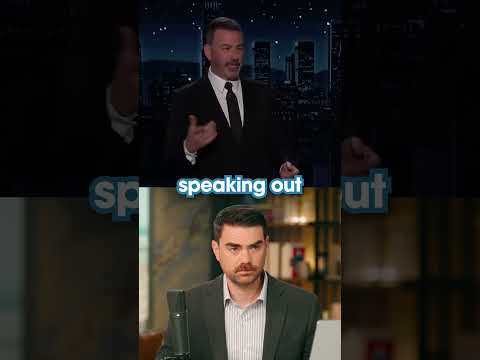
Mamdani Gets Humiliated In Debate
TL;DR
- New York City Democratic candidate Zohran Mamdani delivers a poorly received debate performance against Curtis Sliwa and Chris Cuomo
- Cuomo aggressively challenges Mamdani on his rent freeze proposal and accuses him of being better suited for acting than politics
- Mamdani proposes controversial plan to have 911 dispatchers screen calls instead of sending police to certain situations
- Democratic candidate Platner faces backlash over a Nazi tattoo that has been redesigned but remains controversial
- Senate Majority Leader John Thune and EPA Administrator Lee Zeldin discuss current political and policy developments
- The episode examines Democratic messaging failures and internal party controversies in New York politics
Key Moments
Episode Recap
This episode of Ben Shapiro's show focuses on a contentious New York City mayoral debate that featured Democratic candidate Zohran Mamdani in a highly publicized matchup. The debate, which serves as the episode's primary focus, showcases what the host characterizes as a humiliating performance by Mamdani. The debate features two other prominent figures: Curtis Sliwa, a Republican radio personality and former Guardian Angels founder, and Chris Cuomo, the former CNN anchor and current media figure.
The debate covers several key policy disputes. Mamdani's rent freeze proposal comes under intense scrutiny from Cuomo, who challenges the candidate's understanding of economic policy and its potential consequences for housing markets and landlords. Cuomo's aggressive questioning appears to rattle Mamdani throughout the exchange. Cuomo goes further, suggesting that Mamdani has missed his true calling as an actor, implying that the candidate's debate performance comes across as unconvincing or theatrical.
Another controversial proposal discussed involves Mamdani's position on police dispatch and 911 calls. He suggests that dispatchers should screen emergency calls and potentially send mental health professionals or other non-police responders to certain situations instead of traditional police officers. This proposal becomes a focal point for criticism regarding public safety implications.
Mamdani attempts to redirect criticism by raising Chris Cuomo's own controversies, specifically allegations of harassment that have dogged the former CNN anchor. This moment represents one of the few times Mamdani appears to gain offensive ground in the debate.
Beyond the debate itself, the episode addresses another Democratic Party embarrassment: a candidate named Platner who has faced significant controversy over a Nazi tattoo. The segment discusses how Platner attempted to redesign or cover the tattoo, though the effort apparently fails to resolve the controversy. This situation exemplifies broader Democratic messaging and candidate vetting challenges.
The episode also features interviews with or commentary about two significant Republican figures: Senate Majority Leader John Thune and EPA Administrator Lee Zeldin. These segments address current political developments and policy positions within the Republican administration.
Throughout the episode, the overarching theme concerns Democratic struggles in New York politics. The debate performance, the tattoo controversy, and challenges articulating clear policy positions all contribute to a narrative of Democratic weakness and internal dysfunction. Ben Shapiro uses these stories to critique Democratic candidates and their ability to effectively communicate their positions to voters.
Notable Quotes
“Zohran Mamdani has a terrible final debate in New York City but will it matter?”
“Cuomo tells Mamdani he missed his calling as an actor”
“Democrats struggle to explain away a Nazi tattoo on one of their candidates”
“Mamdani wants dispatchers to screen 911 calls instead of sending police”
“Mamdani hits back at Cuomo over harassment allegations”
Products Mentioned
Books
Lions and Scavengers: The True Story of America (and Her Critics)
Ben Shapiro's new book examining America and critiques of the nation.
View on Amazon →
Technology
Daily Wire Plus Membership
Exclusive subscription service offering full access to Daily Wire content and shows.
Visit Site →
Media
Friendly Fire
Unmoderated debate show featuring contentious conversations without safe spaces.
Visit Site →
Technology
Perplexity AI
AI-powered search and web browser tool called Comet for comprehensive information retrieval.
Visit Site →
Health
Helix Sleep
Custom mattress company offering personalized sleep solutions.
Visit Site →
Full Transcript▼