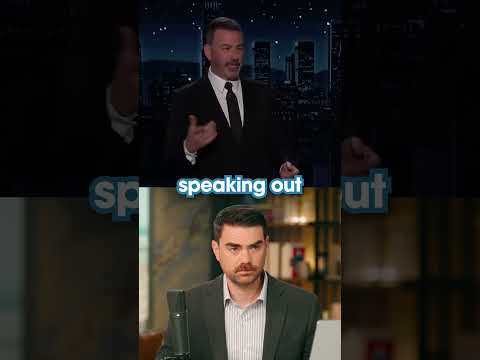
They're openly celebrating the killing of American troops.
TL;DR
- Examination of anti-American sentiment and extremist rhetoric targeting U.S. military personnel
- Analysis of how propaganda and misinformation fuel violence against Americans abroad and at home
- Discussion of the psychological mechanisms behind celebrating harm to military members
- Exploration of the geopolitical context driving hostile narratives against the United States
- Investigation into radicalization pathways and extremist group coordination
- Strategies for countering dangerous ideologies and protecting military communities
Key Moments
0:00
Introduction to the phenomenon of celebrating violence against American troops
12:00
Neuroscience of dehumanization and moral disengagement
26:00
Role of social media in amplifying extremist rhetoric
41:00
Geopolitical context and historical roots of anti-American sentiment
55:00
Strategies for countering extremist narratives and building resilience
Episode Recap
In this solo episode, Dr. Huberman examines a disturbing phenomenon: the open celebration of violence against American troops by hostile actors. The episode explores the psychological, social, and geopolitical factors that drive individuals and groups to publicly express jubilation over the deaths of U.S. military personnel. Huberman approaches this sensitive topic from a neuroscientific perspective, investigating how human brains become conditioned to dehumanize adversaries and celebrate their suffering. The discussion encompasses both foreign adversaries and domestic extremist movements that have adopted anti-American rhetoric as a core component of their ideology. Throughout the episode, Huberman examines the role of social media platforms in amplifying these messages and creating echo chambers where violent sentiment becomes normalized. The episode delves into the historical context of anti-American sentiment in various regions, exploring how decades of geopolitical conflict, military interventions, and perceived injustices have created fertile ground for extremist recruitment and radicalization. Huberman discusses the psychological concept of in-group and out-group dynamics, explaining how tribal thinking can escalate to the point where celebrating enemy deaths becomes a marker of group loyalty and identity. The neuroscience of moral disengagement is explored, revealing how individuals gradually shift their ethical frameworks to justify increasingly extreme positions. The episode also addresses the impact of these hostile narratives on American military personnel and their families, examining the psychological toll of knowing that adversaries openly celebrate attacks against them. Huberman discusses the role of leadership and messaging in either exacerbating or reducing these hostile sentiments. The conversation includes analysis of how misinformation campaigns deliberately distort American military actions to fuel anti-American sentiment globally. The episode concludes with evidence-based strategies for countering extremist narratives, promoting understanding across cultural divides, and protecting military communities from psychological harm. Throughout the discussion, Huberman maintains a scientific approach while acknowledging the gravity of the subject matter and its real-world consequences for national security and individual lives.
Notable Quotes
“Understanding the neuroscience behind these extreme positions is not about justifying them, but about developing effective countermeasures.”
“Dehumanization is a predictable step in the pathway toward celebrating violence against any group.”
“Social media algorithms have created an unprecedented ability for extremist content to reach and radicalize vulnerable individuals.”
“The celebration of violence against our troops reflects deeply rooted grievances that cannot be ignored if we hope to address the underlying conflict.”
“Resilience and psychological preparation for military personnel must address not just physical threats but the emotional impact of knowing adversaries celebrate their harm.”
Products Mentioned
Education
Tools for Media Literacy and Misinformation Detection
Resources and educational frameworks for identifying and countering misinformation and propaganda.
View on Amazon →
Books
Neuroscience of Conflict and Peace Building
Scientific research materials on the neural basis of conflict, empathy, and reconciliation.
View on Amazon →