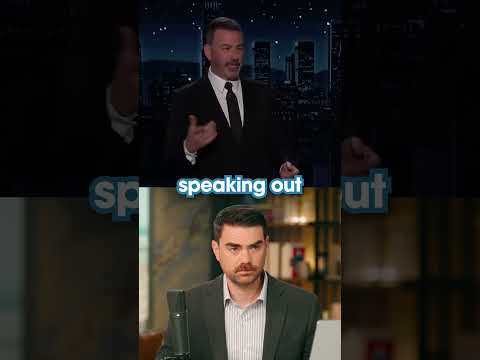
Kimmel SUSPENDED After Terrible Charlie Kirk Assassination Take
TL;DR
- Jimmy Kimmel faced suspension after making controversial statements about Charlie Kirk's assassination attempt
- Questions arise about whether the suspension resulted from public outrage or government pressure
- Ta-Nehisi Coates is criticized for statements regarding leftist rhetoric and violence
- Barack Obama's public response to the Charlie Kirk incident is discussed
- The episode examines media accountability and journalistic responsibility following serious incidents
- The intersection of political commentary, media narratives, and real-world violence is explored
Key Moments
0:00
Introduction to the Kimmel suspension and Charlie Kirk assassination attempt
12:00
Analysis of whether suspension resulted from public outrage or government pressure
24:00
Ta-Nehisi Coates's statements and criticism of his framing of the incident
36:00
Barack Obama's public response and implications for political discourse
48:00
Broader examination of media accountability and rhetoric's role in violence
Episode Recap
This episode examines the controversy surrounding late-night host Jimmy Kimmel's statements regarding the assassination attempt on political commentator Charlie Kirk. The episode raises critical questions about media responsibility, the consequences of inflammatory rhetoric, and the accountability mechanisms that may or may not be enforced in broadcast media. Specifically, the episode investigates whether Kimmel's suspension from his show resulted from organic public pressure or from government intervention. This distinction carries significant implications for understanding how accountability operates in the modern media landscape and who ultimately holds powerful media figures responsible for their statements. The episode also addresses commentary from prominent public intellectuals, including Ta-Nehisi Coates, examining how progressive intellectual frameworks may contribute to or justify violent rhetoric. Coates is critiqued for statements that arguably blame Kirk himself for the violence directed against him, raising questions about the moral implications of such framing. The episode discusses how intellectual arguments and rhetorical permission structures can potentially influence real-world violence and what responsibility public figures bear for their words. Additionally, former President Barack Obama's public statements on the Kirk incident are analyzed for their implications regarding political discourse and the boundaries of acceptable commentary in American public life. The episode explores the broader question of how political figures and media personalities navigate the tension between free speech, responsible commentary, and the potential consequences of inflammatory rhetoric. Throughout the discussion, there is an examination of whether media institutions are equipped or willing to police themselves, or whether external pressure is necessary to ensure accountability. The episode also considers the role of corporate interests, advertiser pressure, and regulatory concerns in shaping media responses to controversial incidents. Ultimately, the episode presents a critical examination of the Kimmel incident as a case study in modern media accountability, the politicization of media responses, and the complex relationship between rhetoric, violence, and responsibility in contemporary American public discourse.
Notable Quotes
“Kimmel faced consequences after he lies about Charlie Kirk's assassin”
“Was he suspended thanks to public outrage, or government pressure?”
“Ta-Nehisi Coates blames Charlie for his own murder”
“The consequences of inflammatory rhetoric in broadcast media cannot be ignored”
“Media institutions must grapple with their responsibility in shaping political discourse”