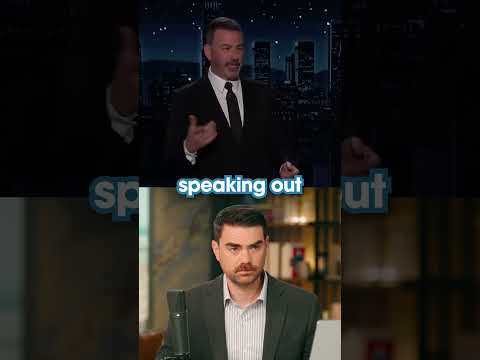
Kamala’s Blue Wall Is Collapsing!
TL;DR
- Polling data from blue wall states shows significant erosion in Kamala Harris's electoral lead
- Harris campaign strategy criticized for inconsistent messaging and unclear policy positions
- CBS News faced backlash for editorial decisions regarding coverage of public figures
- Analysis of mainstream media's role in shaping political narratives and accountability
- Discussion of how polling trends may influence voter behavior and campaign direction
- Examination of journalistic standards and editorial independence in modern news organizations
Key Moments
Episode Recap
This solo episode examines the shifting political landscape as polling data reveals concerning trends for Vice President Kamala Harris in traditionally Democratic blue wall states. The episode focuses on analyzing what appears to be a significant collapse in Harris's previous polling advantages, raising questions about campaign momentum and voter sentiment heading into the election season. The host critiques Harris's campaign messaging, characterizing it as inconsistent and lacking clear articulation of policy positions. The analysis suggests that Harris's campaign has struggled to maintain a coherent narrative, instead appearing to jump between different messaging strategies without a unified vision. The episode also covers recent controversy involving CBS News, which faced significant criticism after editorial decisions regarding coverage of public intellectual Ta-Nehisi Coates. The incident raised broader questions about journalistic integrity, editorial independence, and the pressures news organizations face when covering controversial figures or topics that intersect with cultural debates. The host uses this incident to illustrate what he characterizes as inconsistent application of journalistic standards across mainstream media outlets. The discussion extends to how major news organizations make editorial decisions and whether those decisions reflect genuine commitment to journalism or other institutional pressures. The episode examines the relationship between polling data and political narratives, exploring how media coverage influences public perception and voter behavior. The analysis suggests that as polling numbers shift, media narratives may adapt accordingly, creating feedback loops that affect campaign viability. The host emphasizes the importance of scrutinizing not just political campaigns but also the media ecosystem that covers them. Throughout the episode, there is critical examination of how messaging, narrative control, and media attention shape electoral politics. The discussion touches on broader concerns about coherence in political communication and the consequences when campaigns fail to articulate clear positions or maintain consistent messaging. The episode concludes by emphasizing the significance of these trends for understanding the current political moment and the various forces influencing electoral outcomes beyond just candidate performance.
Notable Quotes
“The polling data tells a clear story about what's happening in the blue wall states”
“Harris continues her magical mystery tour of idiocy with inconsistent campaign messaging”
“CBS News accidentally did journalism when covering this controversial figure”
“We're seeing the consequences of failing to articulate clear positions to voters”
“The media ecosystem plays a crucial role in shaping electoral outcomes beyond candidate performance”
Products Mentioned
Media
The Daily Wire Plus Membership
Member-exclusive content and premium features from Daily Wire creators.
Visit Site →
Media
Am I Racist Documentary
Documentary film by Matt Walsh examining racial narratives in contemporary America.
Visit Site →
Education
Jordan Peterson's Mastering Life Collection
Educational video series covering depression, anxiety, success, and personal development topics.
Visit Site →
Full Transcript▼