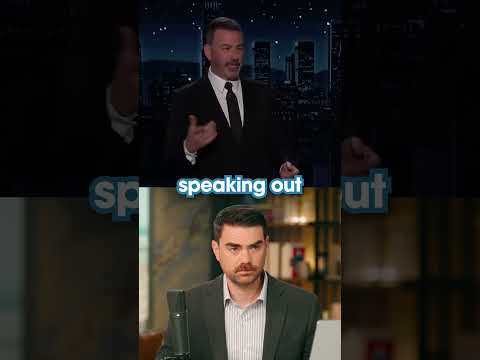
Joe Biden’s Hawaiian Crocodile Tears
TL;DR
- President Biden's response to the Maui wildfires is criticized as performative empathy lacking genuine connection to victims' suffering
- Democratic officials and media outlets attribute the Hawaii fires primarily to climate change despite evidence of multiple contributing factors
- Hawaii officials admit uncertainty about basic disaster response details, including the number of missing children after the fires
- Economic data shows rising Treasury yields and concerning trends in vehicle affordability for American consumers
- Republican candidates prepare for the upcoming GOP debate with focus on policy positions and debate strategy
- Fox News implements new restrictions on campaign surrogates in debate spin rooms to manage post-debate messaging
Key Moments
Episode Recap
This episode examines President Biden's response to the devastating Maui wildfires and the broader political narrative surrounding the disaster. The discussion begins with Biden's visit to Hawaii, where his attempt to demonstrate empathy is analyzed critically. The episode notes that the Maui Mayor expressed uncertainty about fundamental disaster response information, including how many children were missing in the aftermath of the fires. This lack of clarity at the local level raises questions about the adequacy of emergency response and recovery efforts.
Biden's response is characterized as following a pattern of perceived selfishness, with the president attempting to relate to fire victims by claiming to understand what it means to lose a home. The episode scrutinizes whether his empathy appeared genuine or performative, questioning whether his messaging resonated authentically with affected communities.
A significant portion of the episode addresses how Democratic officials and media outlets have framed the Hawaii fires. While acknowledging climate change as a contributing factor, the discussion highlights how some Democrats attribute virtually all responsibility to climate change. Hawaii Senator and Governor Green both emphasize climate change as the primary problem, with the Governor suggesting this represents the new normal for the planet. However, the Washington Post reported that the fires resulted from multiple factors beyond climate change, complicating the singular narrative being promoted.
The episode also covers economic developments affecting American families. Treasury yields are rising, creating broader implications for borrowing costs and economic growth. Additionally, Wall Street Journal reporting indicates that vehicle prices may be reaching unsustainable levels for many buyers, reflecting inflation pressures and affordability challenges in the auto market.
Moving to political coverage, the episode provides analysis of the upcoming GOP debate scheduled for Wednesday. The discussion includes debate preview commentary, examining candidate positioning and preparation. One notable development covered is Vivek Ramaswamy's flip-flopping positions as highlighted by Washington Examiner reporting.
Fox News's decision to ban campaign surrogates from the debate spin room receives attention as a strategic move to control post-debate narrative management. This represents a notable change in how news networks manage the intense spin operations that typically follow major political debates.
Throughout the episode, the analysis maintains focus on how political messaging operates in response to crises, how media narratives are shaped around major events, and how economic conditions affect average Americans. The combination of disaster response criticism, climate change debate framing, economic concerns, and debate preparation analysis creates a comprehensive view of the current political landscape.
Notable Quotes
“Biden's pattern of selfishness becomes evident in his disaster response”
“The Maui Mayor has no idea how many children are missing”
“Climate change is being used to explain away all responsibility for the fires”
“This seems like the whole world is on fire”
“Vehicle prices might be unsustainable for buyers”
Products Mentioned
technology
ExpressVPN
Virtual private network service providing online privacy and security protection.
Visit Site →
health
Helix Sleep Mattresses
Customizable mattress brand offering personalized sleep solutions with different firmness options.
Visit Site →
technology
PureTalk Mobile
Wireless carrier offering affordable 5G service without contracts.
Visit Site →
Full Transcript▼