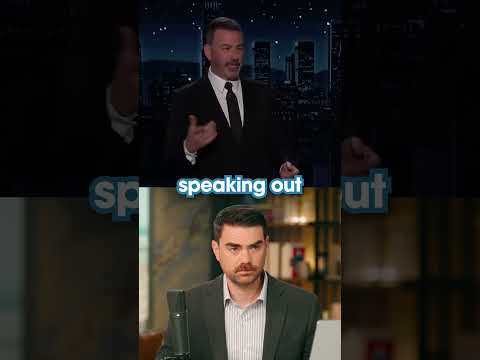
From The Greatest Generation To The Most Obnoxious Generation
TL;DR
- The episode marks the 80th anniversary of D-Day and contrasts the sacrifices of the Greatest Generation with perceived frivolities of today's youth
- Discussion of a Wall Street Journal report indicating concerns about President Biden's mental acuity and its impact on his campaign
- Analysis of how the political left has pivoted to emphasizing warnings about Trump as an authoritarian threat
- Commentary on generational differences in values, priorities, and what constitutes meaningful contribution to society
- Examination of how different generations define purpose and legacy in American culture
- Critique of contemporary social movements and their perceived disconnect from historical perspective
Key Moments
Episode Recap
This solo episode examines the stark contrast between generations by marking the 80th anniversary of D-Day, the pivotal World War II operation that defined the Greatest Generation. The host uses this historical milestone as a lens to critique what he characterizes as the self-congratulatory attitudes of today's younger generation, particularly regarding contemporary social movements like gender fluidity advocacy. The episode suggests that while previous generations made profound sacrifices for their country, the current generation appears focused on causes that pale in historical significance.
The episode addresses recent political developments, specifically referencing a Wall Street Journal report that raised concerns about President Biden's mental fitness for office. Rather than being viewed as a routine policy critique, this report reportedly caught the Biden campaign off guard, indicating growing recognition of cognitive concerns among mainstream media outlets. This development represents a significant shift in how major news organizations are covering the sitting president.
The host also analyzes the rhetorical strategy adopted by the political left in response to various challenges and criticisms. According to the episode, after exhausting other arguments, the left has settled on portraying former President Trump as an incipient dictator or authoritarian threat as their primary campaign message. This represents what the host characterizes as a final argument or fallback position in political discourse.
Throughout the episode, there is an implicit exploration of how different generations measure success, contribution, and legacy. The Greatest Generation's legacy was built on military sacrifice, civic duty, and national survival during existential threats. The episode suggests that contemporary generations measure their worth through cultural identity politics and social activism that, from this perspective, seems disconnected from tangible sacrifice or consequence.
The episode also serves as cultural commentary on the state of American discourse and priorities. It questions whether contemporary society has lost perspective on what genuinely constitutes meaningful achievement or contribution to the nation. The 80th anniversary of D-Day serves as a powerful historical reference point for evaluating modern attitudes and behaviors.
While the episode contains strong opinions and critiques of contemporary culture and politics, it frames these observations within the context of generational comparison and historical perspective. The host uses the sacrifices and achievements of World War II veterans as a measuring stick for evaluating modern social movements and political developments.
Notable Quotes
“We're marking the 80th anniversary of D-Day as today's younger generation pats itself on the back for gender fluidity”
“The Biden campaign is stunned by a new Wall Street Journal report proclaiming that he's obviously mentally diminished”
“The Left settles on its final argument: Trump is an incipient dictator”
“The Greatest Generation made sacrifices that defined a nation, while modern generations seem focused on cultural grievances”
“Historical perspective is essential for evaluating the true significance of contemporary movements and achievements”
Products Mentioned
Personal Care
Jeremy's Razor
Men's grooming product with Father's Day promotional discount.
View on Amazon →
Media
DailyWire+ Membership
Streaming subscription service offering exclusive content and member benefits.
Visit Site →
Food and Beverage
Black Rifle Coffee
American coffee brand supporting veteran causes and patriotic values.
Visit Site →
Full Transcript▼