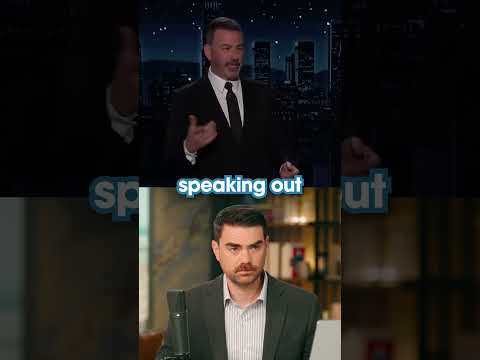
FIGHT NIGHT #3: The Battle For Second Place
TL;DR
- Republicans face a losing streak in recent elections, raising questions about party strategy and direction
- Third Republican debate focuses on competition for second place with DeSantis, Haley, and Vivek as main contenders
- Key debate moments include disputes over Israel policy, Ukraine strategy, and personal attacks between candidates
- Report reveals major media outlets hired stringers with connections to Hamas during October 7 attacks
- Pro-Palestine protests and antisemitic incidents disrupt American institutions including universities and cultural centers
- Discussion of urban warfare tactics and calls for unified governance of Gaza following Israeli operations
Key Moments
Episode Recap
In this episode of The Ben Shapiro Show, the host discusses the third Republican debate, focusing on the competitive field vying for second place behind Donald Trump. The episode opens with analysis of Republicans facing a losing streak, examining what went wrong in recent elections and how the party might recover. Clinton's previous warnings about potential consequences of Trump's election set the stage for understanding the current political landscape and party divisions. The debate highlights section breaks down opening statements from Ron DeSantis, Nikki Haley, and Vivek Ramaswamy, each positioning themselves as alternative candidates. Key debate moments reveal significant disagreements on foreign policy, particularly regarding Israel and Ukraine. DeSantis and Vivek present contrasting views on Israeli strategy, while Haley and Vivek engage in heated exchanges. Notably, Vivek attacks Haley over her daughter's TikTok usage, bringing personal considerations into the political debate. The episode then shifts to serious concerns about media integrity, presenting a shocking report about major media outlets hiring stringers who worked with Hamas during the October 7 attacks. This section details journalistic connections to militant organizations and raises questions about editorial standards. The discussion extends to related incidents of pro-Palestine activism disrupting American institutions. Congressional staffers staged walkouts demanding a ceasefire, while pro-Palestine protesters disrupted a Congressional committee on free speech, creating irony about the nature of their demonstration. The episode documents rising antisemitic incidents, including a disturbing incident at Concordia University where a student used explicitly antisemitic language. Violence outside the Museum of Tolerance following a screening of a Hamas attack film further illustrates escalating tensions. The conversation then addresses potential political solutions, discussing calls for unified rule of Gaza and examining how various stakeholders envision post-conflict governance. An expert in urban warfare provides analysis of Israeli military tactics, offering technical perspective on the ongoing conflict. Throughout the episode, Shapiro connects domestic political developments to international events, suggesting that American political discourse is increasingly influenced by Middle Eastern conflicts. The episode concludes by examining how these various threads of Republican infighting, media credibility questions, and rising antisemitism intersect to shape the current political moment.
Notable Quotes
“Hillary Clinton warned it would be the end of our country if Trump won”
“The Republican field is battling for second place behind Trump”
“Major media outlets hired stringers who worked with Hamas on October 7”
“Pro-Palestine protesters are disrupting American institutions and free speech events”
“Urban warfare experts analyze Israel's tactical approach to conflict”
Products Mentioned
Books
Christmas Karol
A book by Ben Shapiro available for order.
View on Amazon →
technology
ExpressVPN
Virtual private network service offering three months free with sign up.
Visit Site →
health
Helix Sleep
Mattress company offering 20% off plus two free pillows with mattress orders.
Visit Site →
business
Tommy John
Apparel company offering 25% off sitewide for Veterans Day.
Visit Site →
business
Good Ranchers
Meat delivery service offering $15 off orders plus a year of choice meat.
Visit Site →
Full Transcript▼