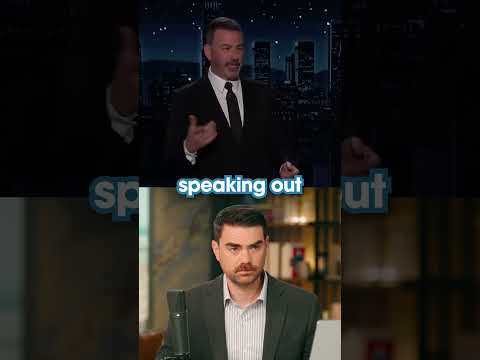
EXPOSED: The “Nazi Tattoo” Senate Candidate
TL;DR
- Maine Democratic Senate candidate Graham Platner is exposed with a Nazi tattoo, raising questions about vetting and party standards
- Democratic Party faces scrutiny for double standards in candidate accountability compared to Republican scrutiny
- Paul Ingrassia withdraws his nomination following controversy and political pressure
- An illegal immigrant suspect rams federal agents in Los Angeles and shoots a US marshal in a serious law enforcement incident
- White House East Wing reconstruction becomes subject of media controversy and public debate
- Trump and GOP leaders debate use of nuclear option and call for end to political obstruction
Key Moments
Episode Recap
This episode of The Daily Wire covers several significant political and law enforcement stories that dominated headlines. The primary focus centers on Maine Democratic Senate candidate Graham Platner, who was caught on tape with a Nazi tattoo. The revelation sparked intense debate about candidate vetting processes and the thoroughness of background checks conducted by political parties. This incident drew particular attention because of what commentators viewed as inconsistent standards applied to Democratic versus Republican candidates when controversies emerge. The episode explores how the Democratic Party has historically held Republican candidates to intense scrutiny for various associations and statements, yet similar standards appear not to apply equally when Democratic candidates face serious controversies. Paul Ingrassia subsequently withdrew his nomination in response to mounting political pressure, marking a significant moment in the political cycle. The second major story involves a dramatic law enforcement incident in Los Angeles where a suspect, identified as an illegal immigrant, rammed federal agents and shot a US marshal. This incident raises serious questions about border security, immigration enforcement, and the safety of federal law enforcement officers performing their duties. The story gained significant media attention and sparked broader conversations about immigration policy and enforcement effectiveness. The episode also addresses the White House East Wing reconstruction project, which became an unexpected source of media controversy. Despite being a routine maintenance and renovation project, media outlets generated substantial coverage and criticism regarding the scope and nature of the work being conducted. The segment highlights how media narratives can amplify relatively routine administrative matters into major political talking points. Additionally, the episode covers statements from political figures including Senator Fetterman urging Republicans to consider the nuclear option to advance legislation, and Trump's calls for ending what he characterizes as political obstruction. The segment featuring Trump's remarks addresses his criticism of Senate Minority Leader Schumer and other Democratic leaders regarding their obstruction of Republican initiatives. Throughout the episode, the overarching theme examines how political narratives develop, how media coverage shapes public perception, and how standards of accountability may differ across the political spectrum. The juxtaposition of these stories illustrates broader questions about consistency in political discourse and the application of ethical standards in political life.
Notable Quotes
“The Democratic Party needs to apply the same standards to their own candidates that they demand from Republicans”
“This incident raises serious questions about candidate vetting and party accountability”
“The media's coverage reveals inconsistent standards in how political controversies are treated”
“We cannot tolerate violence against federal law enforcement officers”
“It's time to stop the political obstruction and focus on governing”
Products Mentioned
Books
Lions and Scavengers: The True Story of America (and Her Critics)
A new book by Ben Shapiro examining American history and responses to American critics.
View on Amazon →
Subscription
Daily Wire Membership
Exclusive access to Daily Wire content, shows, and commentary for $7 per month.
Visit Site →
Subscription
Friendly Fire
New show featuring unmoderated conversations available on Daily Wire platform.
Visit Site →
Technology
Perplexity AI
AI-powered search and web browser tool with Comet browser integration.
Visit Site →
Technology
ExpressVPN
Virtual private network service offering privacy and security for internet browsing.
Visit Site →
Full Transcript▼