Did DEI Cause the DC Crash?!
TL;DR
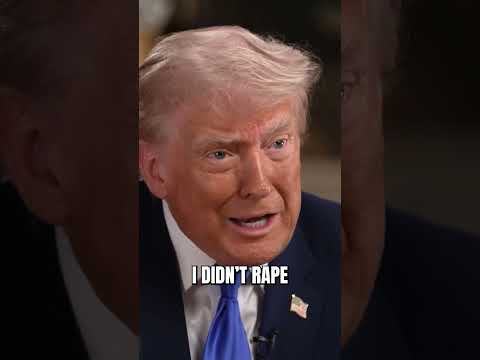
- President Trump attributes the DC airplane crash to DEI initiatives in aviation safety and hiring practices
- Senate Democrats face off against Trump nominees RFK Jr., Tulsi Gabbard, and Kash Patel during confirmation hearings
- An anti-Islam activist is murdered, raising questions about political violence and extremism
- Discussion of how diversity, equity, and inclusion policies intersect with aviation safety and professional standards
- Examination of the politicization of recent tragic events and how they're being used in policy debates
- Analysis of the confirmation process for controversial cabinet nominees and their positions on various issues
Key Moments
Episode Recap
This episode examines several major news stories dominating the political landscape. The tragic DC airplane crash becomes a focal point when President Trump and his allies attribute the incident to DEI efforts within the aviation industry. The claim raises questions about whether diversity initiatives compromise safety standards or if this represents a mischaracterization of the actual causes. The discussion explores how recent tragedies are politicized and used to support broader policy arguments about hiring practices and professional qualifications in critical industries. The episode also covers Senate confirmation hearings where Trump nominees RFK Jr., Tulsi Gabbard, and Kash Patel face intense questioning from Democratic senators. These hearings represent a significant moment in the political process as these controversial figures seek positions of power within the incoming administration. The tension between the nominees and Senate Democrats highlights deep partisan divides over qualifications, past statements, and ideological fitness for office. Additionally, the episode addresses the murder of an anti-Islam activist, which raises concerns about political violence and extremism in contemporary America. This tragic event is placed within the broader context of political polarization and the dangers that can emerge when rhetoric becomes extreme. The episode analyzes how different political actors respond to and frame these events, and what they reveal about the current state of American political discourse. Throughout the discussion, there is examination of how narratives are constructed around these events, how they're used to advance particular political agendas, and how they shape public opinion. The intersection of media coverage, political statements, and public perception becomes a central theme. The episode also considers the implications of attributing complex events like aviation accidents to single policy initiatives, and the importance of evidence-based analysis versus political opportunism. The broader context includes ongoing debates about diversity and merit, the role of government appointments, and the nature of political confirmation processes in a deeply divided nation.
Notable Quotes
“The question is whether diversity initiatives are being prioritized over safety and merit in critical industries”
“We need to examine the actual evidence before attributing complex tragedies to policy initiatives”
“These confirmation hearings reflect the deep partisan divisions in American politics”
“Political violence and extremism threaten the fabric of democratic discourse”
“The politicization of tragedy undermines our ability to have serious conversations about policy”
Products Mentioned
Full Transcript▼