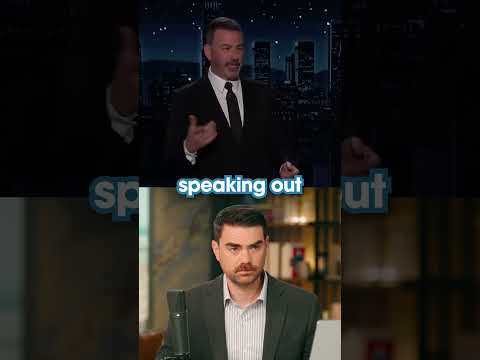
Dave Chappelle Has LOST IT
TL;DR
- Media coverage gaps regarding a high-profile crime involving a trans shooter and its broader implications
- Dave Chappelle's involvement in activism and celebrity responses to social causes
- Stephen Colbert's conflict with CBS over editorial decisions on aired content
- Discussion of affirmative action and its effectiveness in advancing Black Americans
- Political commentary on sanctuary cities and immigration policy enforcement
- Analysis of Democratic messaging strategies and policy proposals from urban leaders
Key Moments
Episode Recap
This episode covers several high-profile controversies in media, politics, and celebrity culture. The discussion begins with concerns about selective media coverage of a violent crime, questioning why certain narratives receive less attention in mainstream outlets. The episode then pivots to examining Dave Chappelle's recent activism, specifically his involvement in laying flowers at a memorial and his opposition to housing development plans, framing these actions as part of broader Hollywood virtue signaling. A significant portion of the episode addresses Stephen Colbert's frustration with CBS regarding editorial decisions that prevented him from airing an interview with a liberal Texas Senate candidate, raising questions about corporate media control over content. The conversation also covers Anderson Cooper's departure from 60 Minutes and discusses political figures' public statements and clothing choices that carry political significance. The episode features substantial commentary from Jason Riley, whose book explores affirmative action and argues against the necessity of racial preferences for Black advancement, presenting an alternative perspective on diversity initiatives. Discussion shifts to urban governance issues, including Philadelphia Mayor Cherelle Parker's response to questions about sanctuary city policies and Secretary of State Marco Rubio's statements on immigration enforcement. The episode includes analysis of a Democratic focus group's messaging strategies as reported by the New York Times and examines a proposed NYC budget plan. Buck Sexton's perspective on manufacturing narratives in media is also featured, with discussion of his book and podcast. The episode concludes with examination of political figures' promotional activities related to health advocacy. Throughout, the episode maintains a critical lens on mainstream media narratives, celebrity activism, and progressive political messaging, while presenting counterarguments from conservative commentators and policy experts who question the effectiveness of certain policy approaches and criticize what they view as selective journalism.
Notable Quotes
“The media refuses to cover certain stories that don't fit their preferred narrative”
“Hollywood virtue signaling has become a substitute for meaningful action”
“We need to ask difficult questions about why certain voices are amplified and others are silenced”
“Affirmative action policies may not be achieving their intended outcomes for the communities they aim to serve”
“Immigration enforcement and border security are fundamental government responsibilities”
Products Mentioned
Books
The Affirmative Action Myth: Why Blacks Don't Need Racial Preferences to Succeed
Jason Riley's book examining affirmative action policy and its effectiveness in advancing Black Americans.
View on Amazon →
Books
Manufacturing Delusion
Buck Sexton's book examining media narratives and information control in contemporary politics.
View on Amazon →
Media
The Clay Travis & Buck Sexton Show
Daily podcast and video commentary on politics, media, and current events.
Visit Site →
Media
DailyWire+
Subscription streaming service offering ad-free access to commentary and original content.
Visit Site →
Full Transcript▼