Biden Needs Taylor Swift
TL;DR
- Biden administration reportedly seeking Taylor Swift's endorsement as a political asset
- Pentagon allegedly pitched using Taylor Swift as a strategic communications tool in military operations
- White House response to Iran's killing of three Americans in Jordan considered inadequate by critics
- State Department officials warn the situation with Iran is the most dangerous since 1973
- Biden administration maintains deterrence posture while denying interest in war with Iran
- Media coverage focuses on polling implications rather than substantive policy analysis
Key Moments
Episode Recap
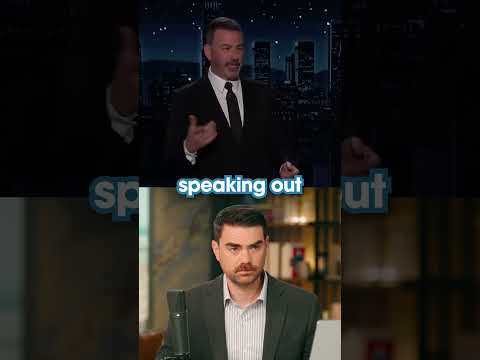
This episode examines the Biden administration's reported efforts to secure Taylor Swift's endorsement and its broader implications for American politics and policy. The discussion opens with the White House's apparent desperation to obtain Taylor Swift's political support, framing it as a significant strategic priority. The episode then explores a more serious allegation: that a Pentagon psyops unit pitched the idea of using Taylor Swift as a communications asset, raising questions about the militarization of celebrity influence and the blurring lines between strategic communications and propaganda. This controversial proposal highlights how political actors view cultural figures as potential tools for advancing agendas.
The episode shifts to the administration's response to Iran's killing of three American service members in Jordan. Critics argue the White House response lacked adequate force and clarity. National Security Advisor Jake Sullivan is quoted suggesting the situation is quieter than the previous two decades, but Secretary of State Antony Blinken counters that the current situation represents the most dangerous circumstances since at least 1973. Pentagon Spokesperson John Kirby asserts the administration is not seeking war with Iran, yet questions arise about whether deterrence has effectively failed given Iran's willingness to strike American personnel.
The episode emphasizes the incoherence in the administration's messaging. While officials downplay the severity of the situation, they simultaneously characterize it as extraordinarily dangerous. Meanwhile, media coverage focuses heavily on polling data and political implications rather than substantive analysis of foreign policy strategy. This reflects a broader concern about whether decision-making is driven by policy considerations or electoral calculations.
The discussion then addresses the wider Middle East crisis, including Hamas's rejection of proposed hostage deals and the humanitarian situation in Gaza. Pentagon officials claim UNRWA has been conducting amazing work, though context suggests the administration faces criticism for its handling of the humanitarian response. Sky News correspondent Belle Donati draws comparisons between the Gaza situation and the Holocaust, underscoring the severity of the humanitarian crisis and international response.
The episode concludes with domestic policy matters. Immigration remains a contentious issue, with a convoy preparing to descend on Texas. Former President Trump criticized a Republican bill on immigration, warning it would make Republicans look bad, indicating ongoing divisions within conservative ranks over how to handle the immigration issue.
Throughout the episode, the overarching theme is the apparent disconnect between the administration's stated priorities, actual policy implementation, and messaging. Whether discussing celebrity endorsements, military deterrence, humanitarian crises, or immigration policy, questions persist about strategic coherence and whether decisions reflect principled policy positions or political expediency.
Notable Quotes
“Biden desperately seeks the love of Taylor Swift”
“Pentagon psyops unit pitched the idea of using Taylor Swift as a strategic asset”
“We have not seen a situation this dangerous since at least 1973”
“We are not looking for a war with Iran”
“The media are focused on polls rather than substantive policy analysis”
Products Mentioned
business
Birch Gold IRA
Gold IRA investment service offering account setup with free informational kit.
Visit Site →
health
Good Ranchers
Premium meat delivery service offering chicken and other ranch products with promotional discounts.
Visit Site →
health
Helix Sleep
Customizable mattress company offering personalized sleep solutions with pillows included.
Visit Site →
business
Black Rifle Coffee
Premium coffee company offering coffee products, gear, apparel, and subscription services.
Visit Site →
Full Transcript▼