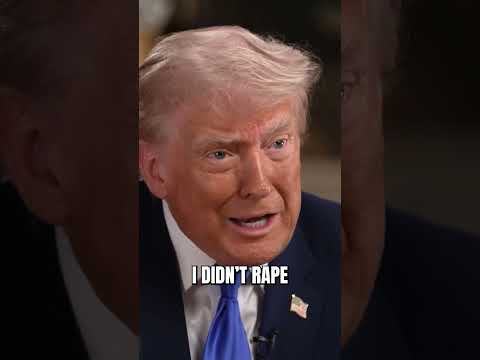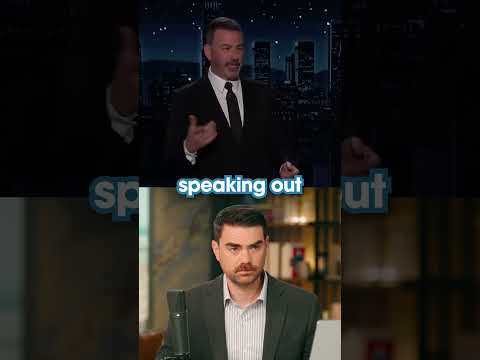
After Attempt On Trump's Life, Media Blame…Trump
TL;DR
- Details emerge regarding the second assassination attempt on Donald Trump
- Media outlets blame Trump's rhetoric for inciting violence against him
- Discussion of how the political left continues to focus on unrelated cultural narratives
- Analysis of media bias in covering political violence and its causes
- Examination of how rhetoric from different political sides is selectively reported
- The role of mainstream media in shaping public perception of political events
Key Moments
Episode Recap
This episode addresses the recent developments following the second assassination attempt on former President Donald Trump and the subsequent media response. Ben Shapiro examines how various media outlets have attempted to frame Trump's own rhetoric as partially responsible for the violence directed against him, despite the clear illegality and moral reprehensibility of assassination attempts. The episode explores the apparent contradiction in how the media handles narratives around political violence depending on the target and the perpetrator's perceived political affiliation. Shapiro discusses the broader pattern of media bias in covering political events and how different standards are applied when analyzing the rhetoric of political figures across the spectrum. The episode also addresses how the political left continues to focus on cultural issues like the false claim about immigrants eating pets, which has become a point of contention in the political discourse. This narrative fixation is analyzed in the context of larger questions about what the American public should be focusing on during a critical election cycle. The discussion touches on how mainstream media shapes public opinion by choosing which stories to amplify and which to minimize, and how this selective reporting influences voter behavior and political polarization. Shapiro argues that there is a fundamental inconsistency in how media figures critique political rhetoric, depending on whether they agree with the speaker's political positions. The episode examines specific examples of how similar statements from different political figures receive vastly different treatment from journalists and commentators. Throughout the episode, Shapiro emphasizes the importance of consistent principles in evaluating political speech and violence, regardless of political affiliation. The conversation includes analysis of how the attempt on Trump's life should be understood as a serious security and law enforcement matter rather than a political messaging opportunity. The episode concludes with broader reflections on the state of American media institutions and their role in either promoting or reducing political polarization.
Notable Quotes
“The media continues to blame Trump's rhetoric while ignoring the reality that assassination attempts are serious crimes that must be prosecuted”
“There is a clear double standard in how political speech is evaluated depending on which side of the spectrum it comes from”
“The focus on unrelated cultural narratives shows a distraction from substantive policy discussions”
“Consistent principles must apply when evaluating political rhetoric across all political figures”
“Media outlets have a responsibility to report facts accurately rather than shape narratives based on political preference”
Products Mentioned
Books
What is a Woman?
Documentary film by Matt Walsh exploring gender ideology debates in contemporary America.
View on Amazon →
Books
Am I Racist?
New documentary film by Matt Walsh examining race and identity issues in modern society.
Visit Site →
Books
Daily Wire+
Subscription streaming service featuring political commentary, documentaries, and original content.
Visit Site →
Books
Helix Sleep
Premium mattress and bedding company offering personalized sleep solutions.
Visit Site →