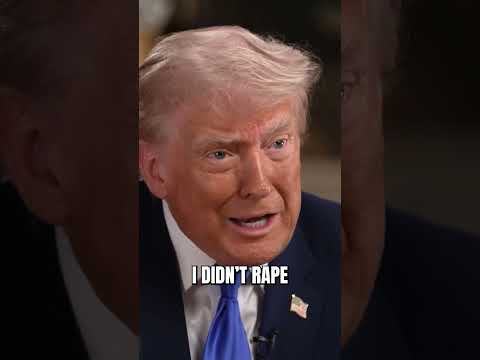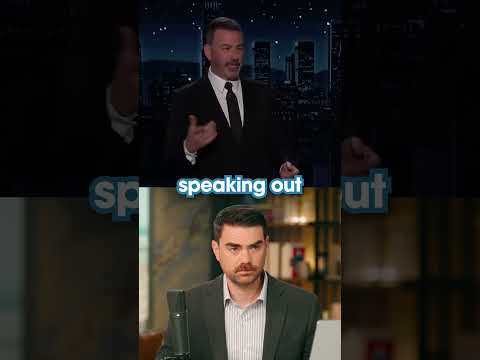
Yet another assassination attempt on President Trump.
TL;DR
- Ben Shapiro discusses the latest assassination attempt on President Trump and its implications for national security
- Analysis of the security failures and gaps that allowed another attempt to occur against a former and current political figure
- Discussion of the political climate and how rhetoric may be influencing violent actors targeting the president
- Examination of media coverage and how different outlets are reporting on the assassination attempt
- Constitutional and legal implications of protecting political figures in an increasingly polarized environment
- Shapiro's take on what this means for the 2026 political landscape and national discourse moving forward
Key Moments
Episode Recap
In this solo episode, Ben Shapiro addresses yet another assassination attempt on President Trump, a serious and recurring threat to the former and current political leader. Shapiro begins by laying out the basic facts of the incident and expressing concern about the pattern of violence targeting Trump. He emphasizes that regardless of political disagreements, violence and assassination attempts are unacceptable in a civilized society and represent a fundamental breakdown in the social contract. Shapiro analyzes the security failures that may have contributed to the attempt, questioning how multiple assassination attempts against the same high-profile political figure can occur despite increased security protocols and awareness. He examines the systemic gaps in protection and considers whether resources are being allocated properly to prevent such incidents. A significant portion of the episode focuses on the broader political climate and rhetoric surrounding Trump. Shapiro considers whether heated political discourse, media coverage, or specific messaging from political opponents may be influencing unstable individuals to commit violence. He distinguishes between legitimate political criticism and rhetoric that might incite violence, arguing that public figures and media commentators have a responsibility to tone down inflammatory language regardless of disagreement. Shapiro also examines how different news outlets are covering the assassination attempt, noting disparities in how seriously various media organizations are treating the incident and how they frame the underlying causes. He critiques what he views as inadequate coverage or inconsistent framing depending on the political leanings of the outlet. The episode includes constitutional and legal analysis regarding the government's obligation to protect political figures and the balance between security and civil liberties. Shapiro discusses how repeated threats change the calculus of protection and what role law enforcement should play in preventing such incidents. He considers the psychological profiles of would-be assassins and what factors might predict or prevent violent actions. Finally, Shapiro reflects on what another assassination attempt means for American politics in 2026 and beyond. He argues that the nation must find ways to conduct intense political disagreement without descending into violence, and questions whether the country's political institutions and cultural norms remain strong enough to prevent such tragic outcomes. The episode ends with Shapiro calling for unity against political violence while maintaining the ability to debate policy vigorously.
Notable Quotes
“Violence against political figures is never acceptable, regardless of political disagreement”
“We must examine how our rhetoric and discourse might be influencing unstable individuals”
“The media has a responsibility to report on these incidents with appropriate seriousness”
“Our nation's strength depends on our ability to disagree without resorting to violence”
“Security failures require immediate investigation and remediation to protect our leaders”