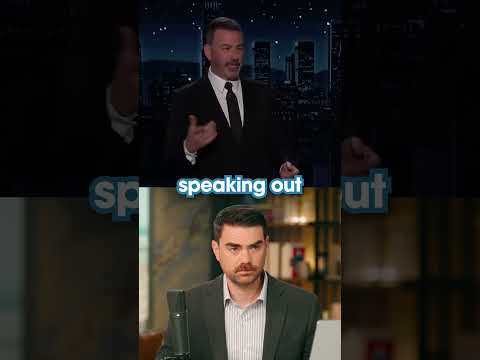
Trudeau and Katy Perry Embarrass Themselves at Coachella
TL;DR
- Ben Shapiro critiques Canadian Prime Minister Justin Trudeau's appearance and behavior at the Coachella music festival
- Discussion of celebrity culture and political figures attempting to remain relevant through pop culture engagement
- Analysis of Katy Perry's performance at Coachella and her cultural influence in contemporary America
- Examination of how left-leaning politicians use music festivals and entertainment venues for public image management
- Commentary on the disconnect between political leadership and appropriate public conduct
- Broader conversation about the erosion of dignity and decorum in modern political discourse
Key Moments
Episode Recap
In this solo episode, Ben Shapiro takes aim at two prominent public figures who found themselves at the center of viral moments during the Coachella music festival. The episode focuses on Canadian Prime Minister Justin Trudeau's appearance and behavior at the festival, which Shapiro uses as a launching point for broader cultural commentary about how modern political leaders attempt to maintain relevance by inserting themselves into pop culture spaces.
Shapiro argues that Trudeau's presence at Coachella represents a fundamental misunderstanding of appropriate conduct for someone holding high political office. Rather than focusing on governance and policy matters, the Prime Minister chose to be photographed and filmed at a major music festival, an action Shapiro views as emblematic of a larger trend among progressive politicians who prioritize cultural cachet over substantive leadership. The commentary extends to the performative nature of modern politics, where optics and social media moments often supersede actual policy achievements.
The episode also addresses Katy Perry's involvement at Coachella and her continued relevance in American popular culture. Shapiro examines how celebrities maintain their cultural status through festival performances and social media presence, drawing parallels to how politicians similarly seek validation through entertainment industry connections. This raises questions about authenticity and whether public figures across both politics and entertainment are genuinely connecting with audiences or simply performing for engagement metrics.
Shapiro uses these incidents to explore larger themes about cultural decline and the loss of institutional dignity. He contends that when leaders prioritize being "cool" or relatable to younger audiences over presenting a dignified public persona, they undermine the authority and seriousness that their positions require. This connects to his broader conservative critique that society benefits from clear distinctions between different spheres of life, including the separation between entertainment culture and political leadership.
The discussion touches on generational divides in how public figures are perceived, with younger audiences potentially viewing Trudeau's Coachella appearance as relatable and authentic, while Shapiro and his audience view it as undignified and inappropriate. This generational gap reflects deeper disagreements about what society should expect from its leaders and cultural figures.
Throughout the episode, Shapiro maintains his characteristic approach of mixing sharp criticism with broader cultural analysis. He uses specific incidents as windows into understanding larger trends about celebrity culture, political leadership, and the blending of entertainment and politics in contemporary America. The episode serves as both political commentary and cultural critique, examining how modern leaders navigate the demand to remain culturally relevant while maintaining the gravitas their positions ostensibly require.
Notable Quotes
“When political leaders prioritize being cool over being competent, they sacrifice the dignity their office demands”
“Trudeau's appearance at Coachella epitomizes the left's obsession with cultural relevance over substantive governance”
“Celebrity culture and political leadership should remain separate spheres if society is to maintain proper institutional respect”
“The younger generation may find this relatable, but relatability cannot substitute for authentic leadership”
“We are witnessing the erosion of public decorum at the highest levels of government”
Products Mentioned
Books
Lions and Scavengers: The True Story of America (and Her Critics)
Ben Shapiro's book examining America's history and addressing criticisms of the nation.
View on Amazon →
Media
Daily Wire+ Membership
Subscription service providing ad-free access to Daily Wire content and exclusive material.
Visit Site →
Merchandise
Ben Shapiro Merchandise
Official apparel and merchandise featuring Ben Shapiro branding.
View on Amazon →