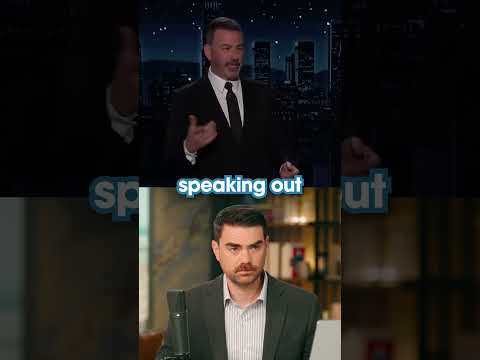
100 MEN?! The SICKNESS of OnlyFans
TL;DR
- OnlyFans model Lily Phillips claims to have had sex with 100 men and plans to increase the number to 1,000
- Discussion of the cultural and social implications of extreme content creation on platforms like OnlyFans
- UnitedHealth CEO's alleged shooter draws controversial support from political figures including Elizabeth Warren
- Analysis of how political commentary and rhetoric may influence violent actors
- Donald Trump appears on TIME magazine cover for multiple controversial incidents
- Examination of media coverage and celebrity culture in contemporary society
Key Moments
Episode Recap
In this episode, the host discusses several trending news stories with significant cultural and political implications. The primary focus centers on OnlyFans content creator Lily Phillips, who has publicly announced that she engaged in sexual activity with 100 men in a single event and now plans to escalate this to 1,000 participants. This story raises important questions about the trajectory of content creation on platforms like OnlyFans, the commodification of intimate relationships, and the psychological and health implications of such extreme activities. The host provides critical analysis of how platform economics incentivize increasingly shocking content to maintain relevance and audience engagement. Beyond the OnlyFans story, the episode addresses the shooting of UnitedHealth's CEO and the unexpected political support the alleged shooter has received, notably from Senator Elizabeth Warren. This development highlights how political messaging and criticism of corporate practices can be interpreted and potentially weaponized by unstable individuals. The host carefully distinguishes between legitimate political criticism of healthcare industry practices and the dangerous rhetoric that may inspire violence. The episode also covers Donald Trump's latest TIME magazine cover appearance, examining how media coverage intersects with celebrity and political culture. The host analyzes the role of media outlets in amplifying political narratives and the ways that traditional institutions like TIME magazine respond to polarizing figures. Throughout the episode, the host maintains a critical perspective on cultural trends while attempting to present context for viewers to understand these phenomena. The episode demonstrates concern about the declining standards of discourse in media and entertainment, the normalization of extreme content, and the potential consequences when political rhetoric becomes divorced from constructive solutions. The host emphasizes the importance of media literacy and critical thinking when consuming news and entertainment content. Various sponsor integrations are included, featuring products and services aligned with the show's audience. The overarching theme connects these disparate stories through a lens of cultural criticism, exploring how contemporary society processes information, creates meaning, and engages with increasingly polarized political and social narratives.
Notable Quotes
“The sickness of OnlyFans is fundamentally about incentive structures that reward increasingly extreme behavior”
“When political criticism becomes untethered from reality, it can inspire dangerous actions in unstable individuals”
“Media institutions amplify polarizing figures while claiming to oppose them, creating a profitable feedback loop”
“Content creators face pressure to constantly escalate their offerings to maintain relevance and income”
“We must distinguish between legitimate critique of corporate behavior and rhetoric that could inspire violence”
Products Mentioned
Media
Am I Racist documentary
Matt Walsh's documentary examining critical race theory and racial ideology in contemporary American culture
Visit Site →
Media
DailyWire+
Subscription streaming service featuring news, commentary, documentaries, and exclusive member content
Visit Site →
Health
Lumen
Metabolic health device that measures metabolic rate and provides personalized nutrition and fitness recommendations
Visit Site →
Business
Ramp
Corporate spend management platform designed to streamline business expense tracking and financial controls
Visit Site →
Full Transcript▼