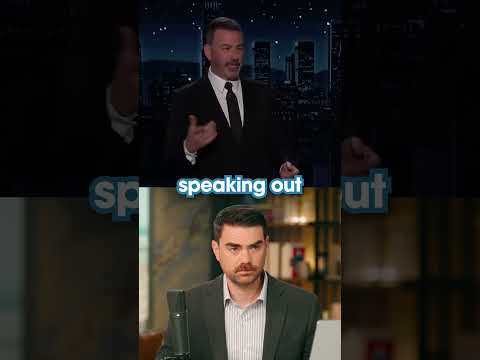
HILARIOUS: Shane Gillis Destroys The ESPYS…And Wokeness
TL;DR
- Shane Gillis delivers a standout comedy performance at the ESPYs that resonates with audiences
- A top Biden administration staffer invokes the Fifth Amendment when questioned about the president's mental fitness
- Senate Republicans propose rescission cuts targeting NPR and PBS funding
- PBS/NPR leadership denies accusations of political bias despite ongoing scrutiny
- Democratic leaders express concerns about proposed budget cuts, characterizing them as critical
- Discussion of potential changes to Federal Reserve leadership and broader economic policy direction
Key Moments
Episode Recap
This episode covers a range of political and cultural topics with sharp commentary on recent developments in American politics and media. The discussion opens with Shane Gillis's acclaimed performance at the ESPYs, highlighting a comedic moment that captured public attention and resonated with audiences seeking entertainment that addresses contemporary issues directly.
The episode then pivots to serious governance concerns, specifically addressing a Biden administration official's decision to invoke the Fifth Amendment during questioning about the president's mental fitness. This legal maneuver raises questions about transparency and accountability at the highest levels of government.
A significant portion of the episode focuses on Senate negotiations surrounding rescission cuts to public broadcasting institutions, particularly NPR and PBS. Republican senators are pushing for budget reductions to these federally funded outlets, framing the cuts as necessary fiscal discipline. In response, PBS and NPR leadership, including CEO Katherine Maher, issued statements denying allegations of political bias, asserting that their programming maintains journalistic integrity despite criticism from conservative quarters.
Democratic leadership mounted a strong defense of public broadcasting funding. Senate Minority Leader Schumer characterized the proposed cuts as a matter of life and death, emphasizing the cultural and educational importance of these institutions. The debate reflects deeper partisan disagreements about the role of federal funding in media and the appropriate scope of government spending priorities.
The episode also touches on potential shifts in economic policy, including speculation about whether the Trump administration might seek to replace Federal Reserve Chair Jerome Powell and whether corporate decisions like Coca-Cola potentially returning to cane sugar represent broader market trends or political influence.
A notable segment features an interview with Senator John Thune, offering perspective from Republican leadership on various legislative priorities and policy directions. The discussion extends to Democratic reactions to recent political developments, including comments from members like AOC and Ilhan Omar about party strategy and economic policy concerns.
The episode includes pointed criticism of rhetoric from some Democratic figures, particularly highlighting statements that generated controversy for their framing of racial and economic issues. These moments underscore ongoing tensions within political discourse around how various groups are characterized and represented in public debate.
Throughout the episode, the host provides commentary on what he characterizes as inconsistencies or problematic messaging from Democratic leadership and commentary, using specific examples to illustrate broader concerns about political rhetoric and media narratives.
Notable Quotes
“Shane Gillis destroys at the ESPYs with comedy that resonates with audiences”
“This is not an autopen, right? Trump questions authenticity of documents”
“Democrats characterize NPR and PBS cuts as a matter of life and death”
“PBS leadership denies bias accusations and asserts journalistic integrity”
“People just need to get to know him, AOC suggests regarding party messaging”
Products Mentioned
Books
Lions and Scavengers
Upcoming book by Ben Shapiro releasing September 2nd exploring contemporary political and cultural themes.
View on Amazon →
Technology
ExpressVPN
Virtual private network service offering privacy and security for online browsing.
Visit Site →
Technology
SimpliSafe
Home security system with professional monitoring capabilities for residential protection.
Visit Site →
Health
Boll & Branch
Premium bedding company offering high-quality sheets and sleep products.
Visit Site →